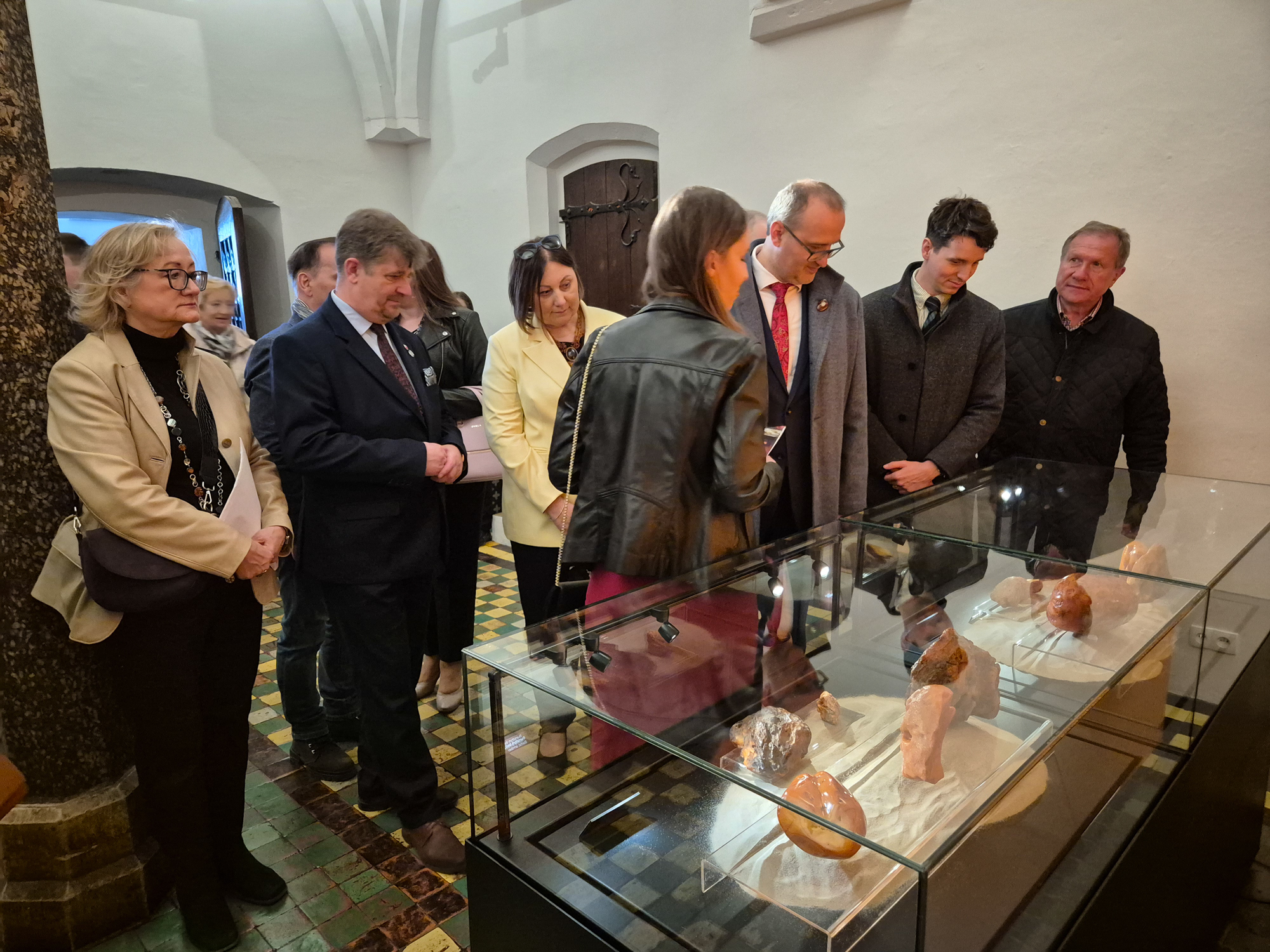
The grand opening of the exhibition ‘Bursztynnik. Mistrz dawniej i dziś’, which took place on 23 April 2026 at the Grand Masters’ Palace in the Middle Castle in Malbork, brought together a wide range of guests representing diplomatic, local government, museum and artistic circles. The event had a distinctly international character and highlighted the significance of Malbork’s amber collection as one of the most important in Europe.
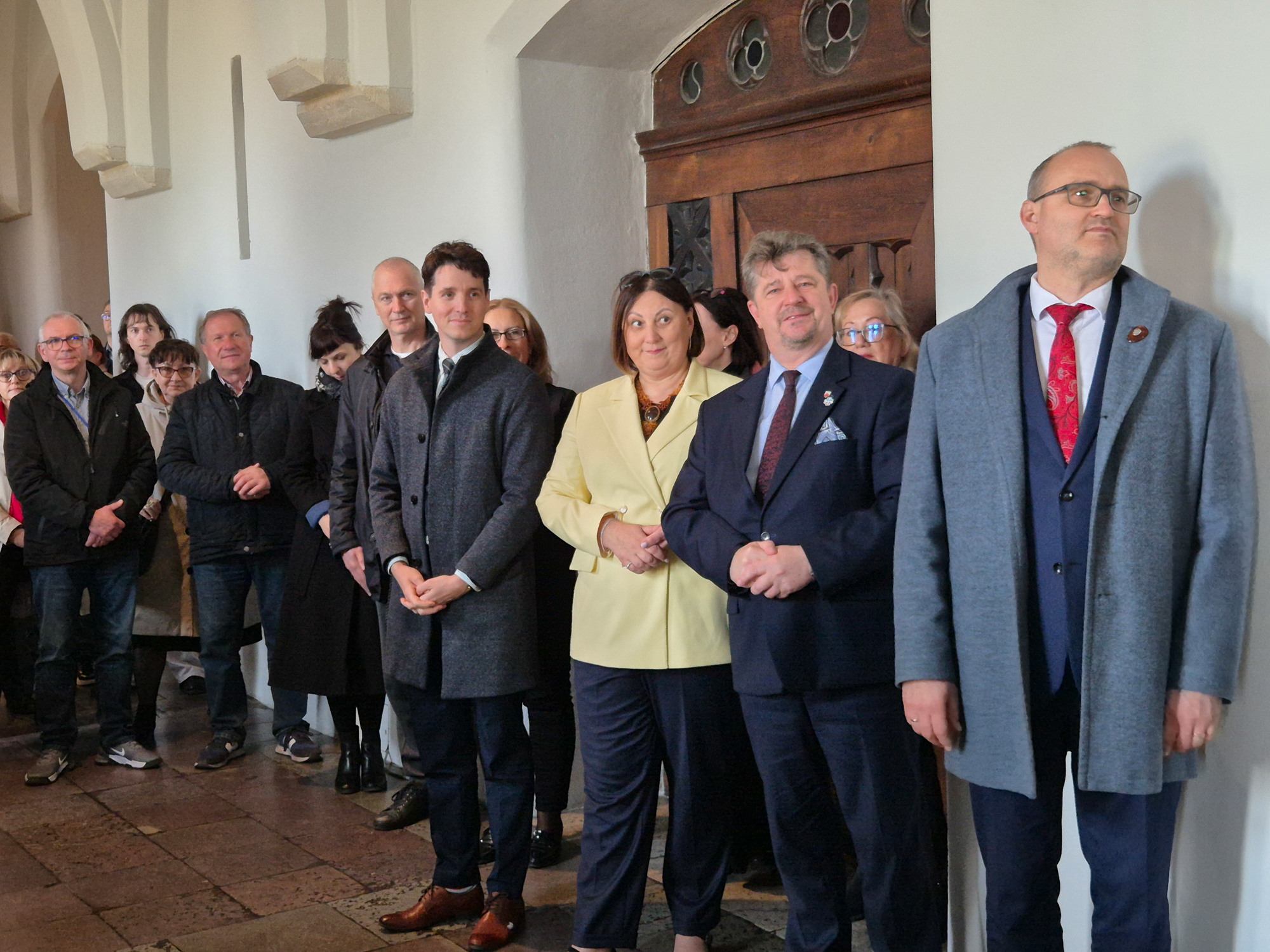
The event was attended by, for example, the Deputy Governor of the Pomorskie Province, Emil Rojek; representatives of the diplomatic corps – the Consul General of Ukraine, Svitlana Krysa, and the Consul General of Hungary, Péter Nándor Kertész; as well as the Mayor of Malbork, Marek Charzewski, and the Deputy Commander of the 22nd Tactical Air Base, Director of the Nicolaus Copernicus Museum in Frombork Ms Anna Zienkiewicz, and representatives of other cultural institutions and the Malbork Guides’ Association. The presence of such a wide range of guests underscored the significance of the event not only for the region but also for the country.
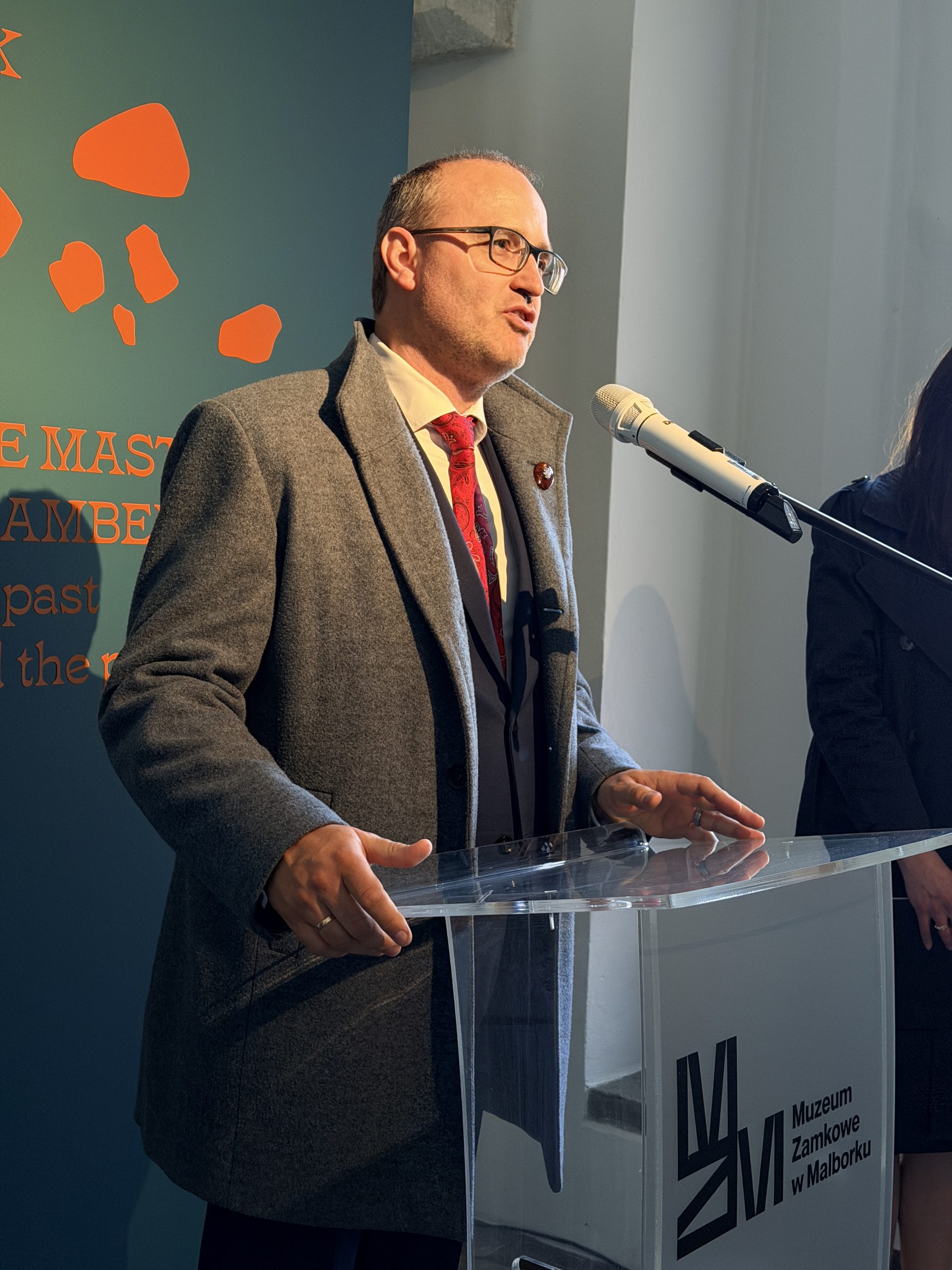
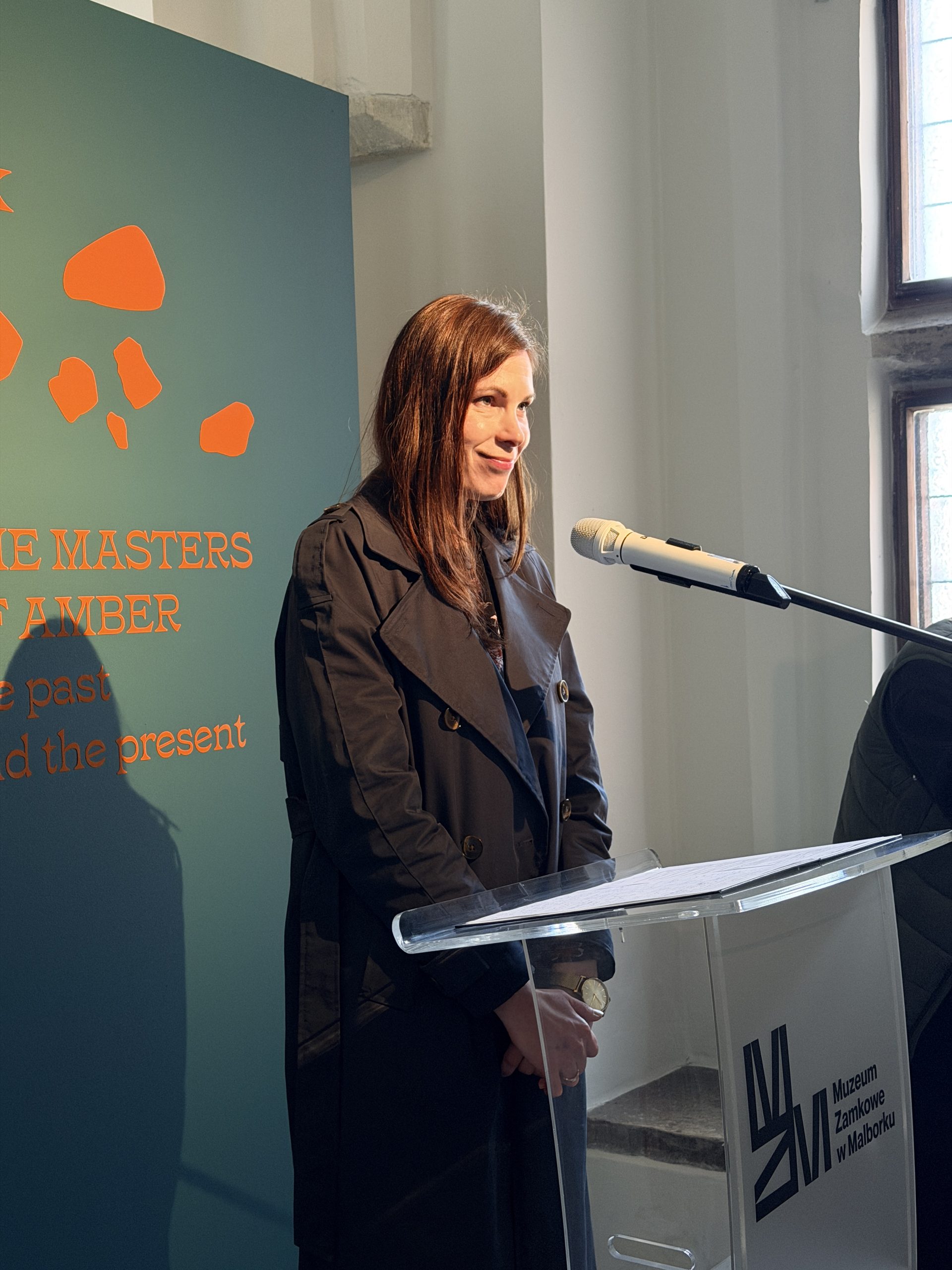
The exhibition was opened by Agnieszka Kowalska, Deputy Director for Research and Conservation at the Malbork Castle Museum. In her speech, she noted that the new exhibition presents a carefully selected collection of the most valuable works from the museum’s holdings, as well as the most significant acquisitions of recent years. She added that the exhibition represents both a continuation and a new phase in the presentation of the collection:
‘We are closing the exhibition “Bursztynowe konteksty” [i.e. Amber Contexts], and the exhibition opening today presents one of those contexts’, the context of the master amber craftsman”, she emphasised, pointing to the deliberate creation of a narrative around the collection and its meanings.
The Deputy Governor of the Pomorskie Province, Emil Rojek, also addressed the audience, setting the theme of the exhibition within a broader historical context:
’Thanks to the “gold of the Baltic”, Pomerania has been part of European trade and cultural routes for centuries. The function of amber has changed, from craft to art, but its significance remains unchanged’, he emphasised. He also added that the exhibition is an opportunity to reflect on the role of amber in the history of Poland and Europe, as well as its contemporary inspirational potential.
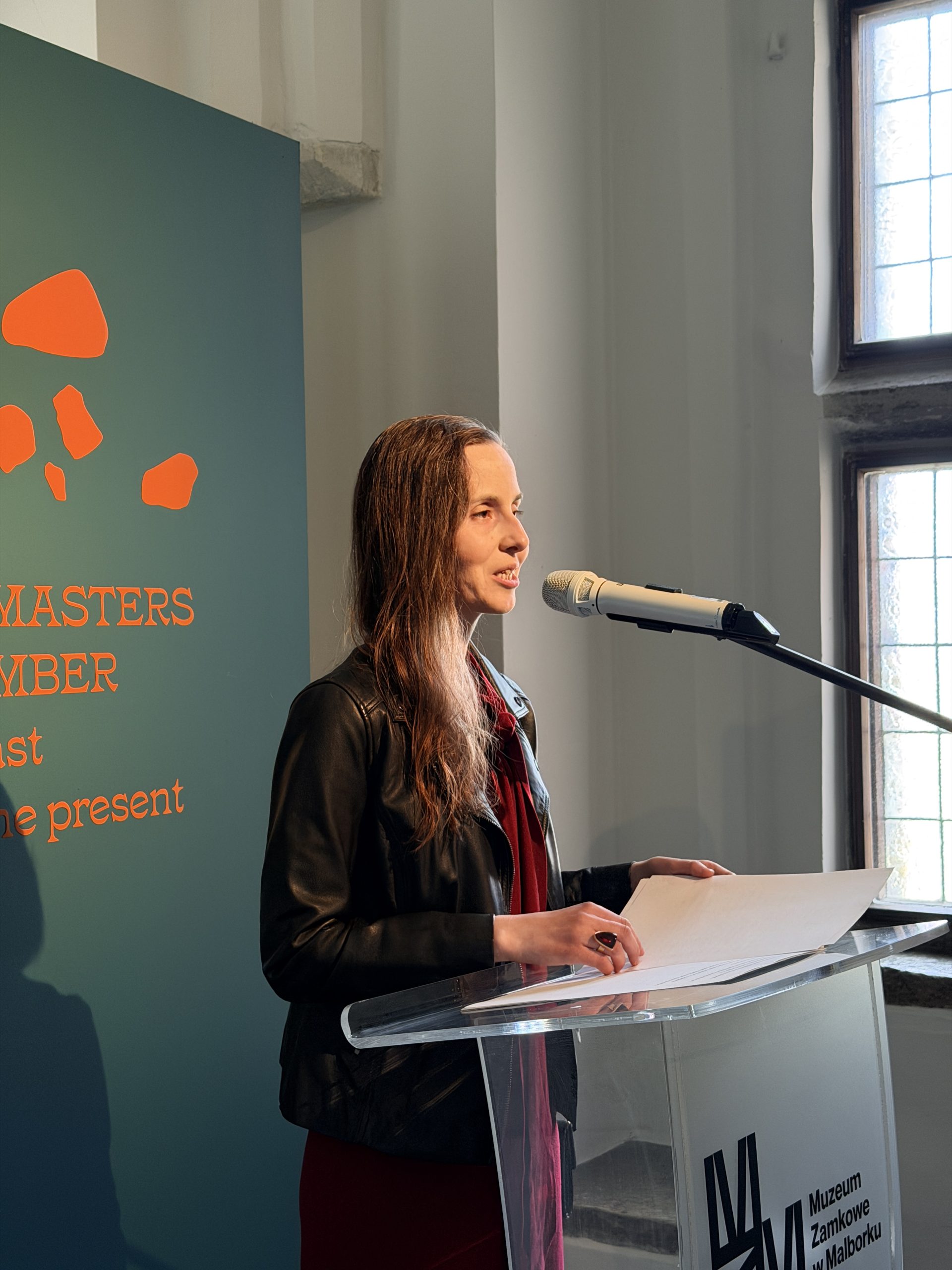
Katarzyna Kita then spoke about the curatorial concept, presenting the main idea behind the exhibition. As she noted, amber has accompanied humanity since prehistoric times and attained particular significance in modern Gdańsk, where it became one of the most important artistic materials.
‘Amber brings together the artist and the craftsman – on the one hand, individual creativity; on the other, the artistry of craftsmanship and the functionality of the object’, she said.
The curator also emphasised the significance of the post-war revival of amber craftsmanship:
‘Since the 1960s, we have been talking about the Polish school of amber, which has restored this material to its rightful place in art’, she noted, highlighting the continuity of tradition from the Gdańsk masters of the 17th and 18th centuries to contemporary artists.
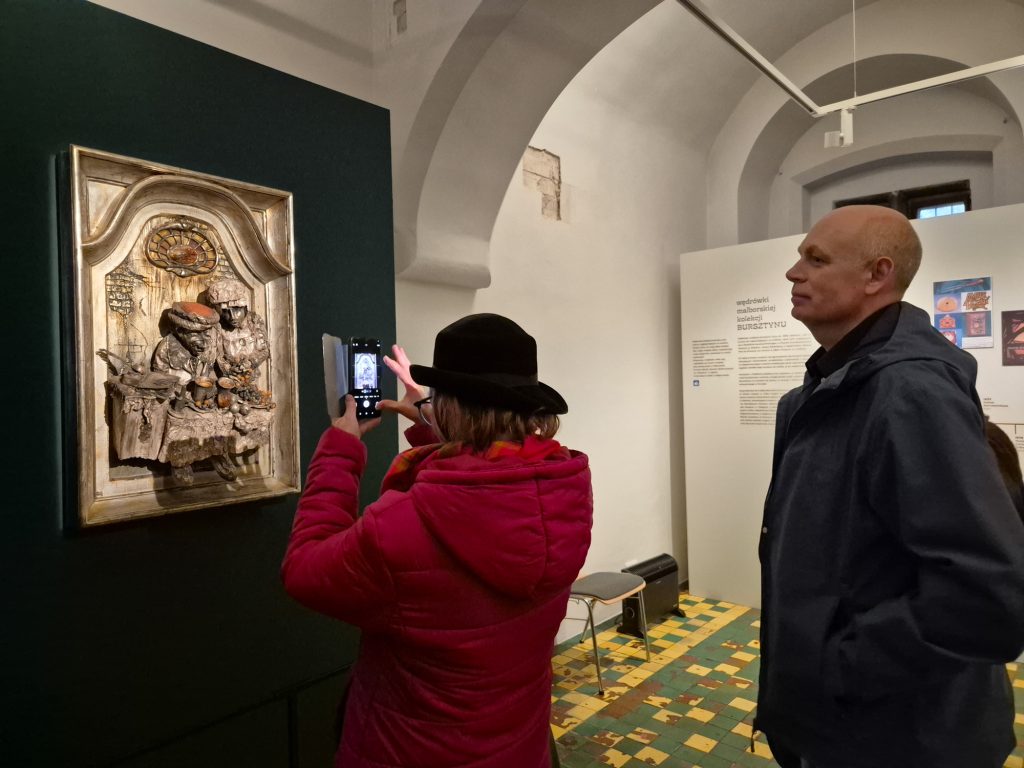
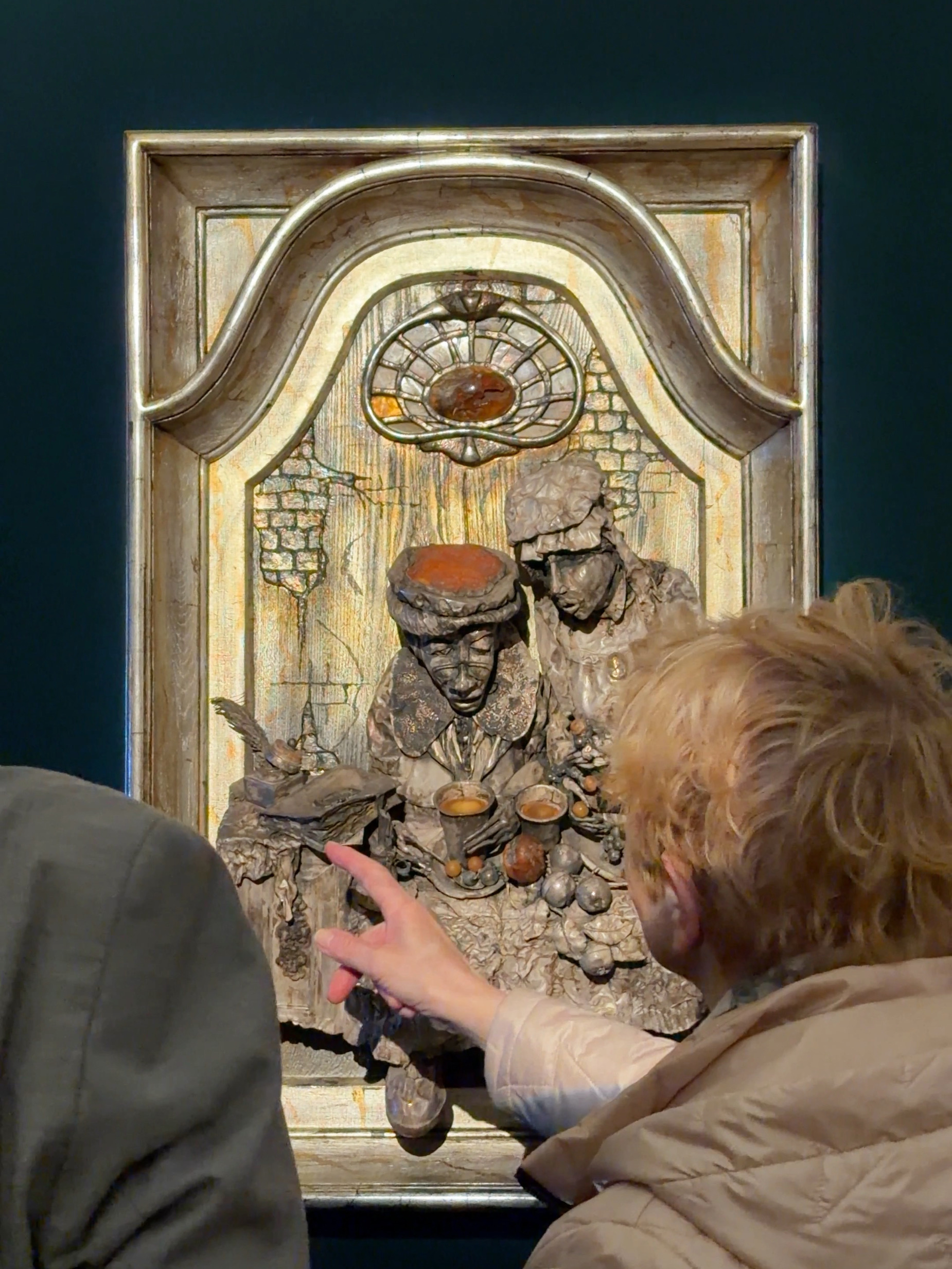
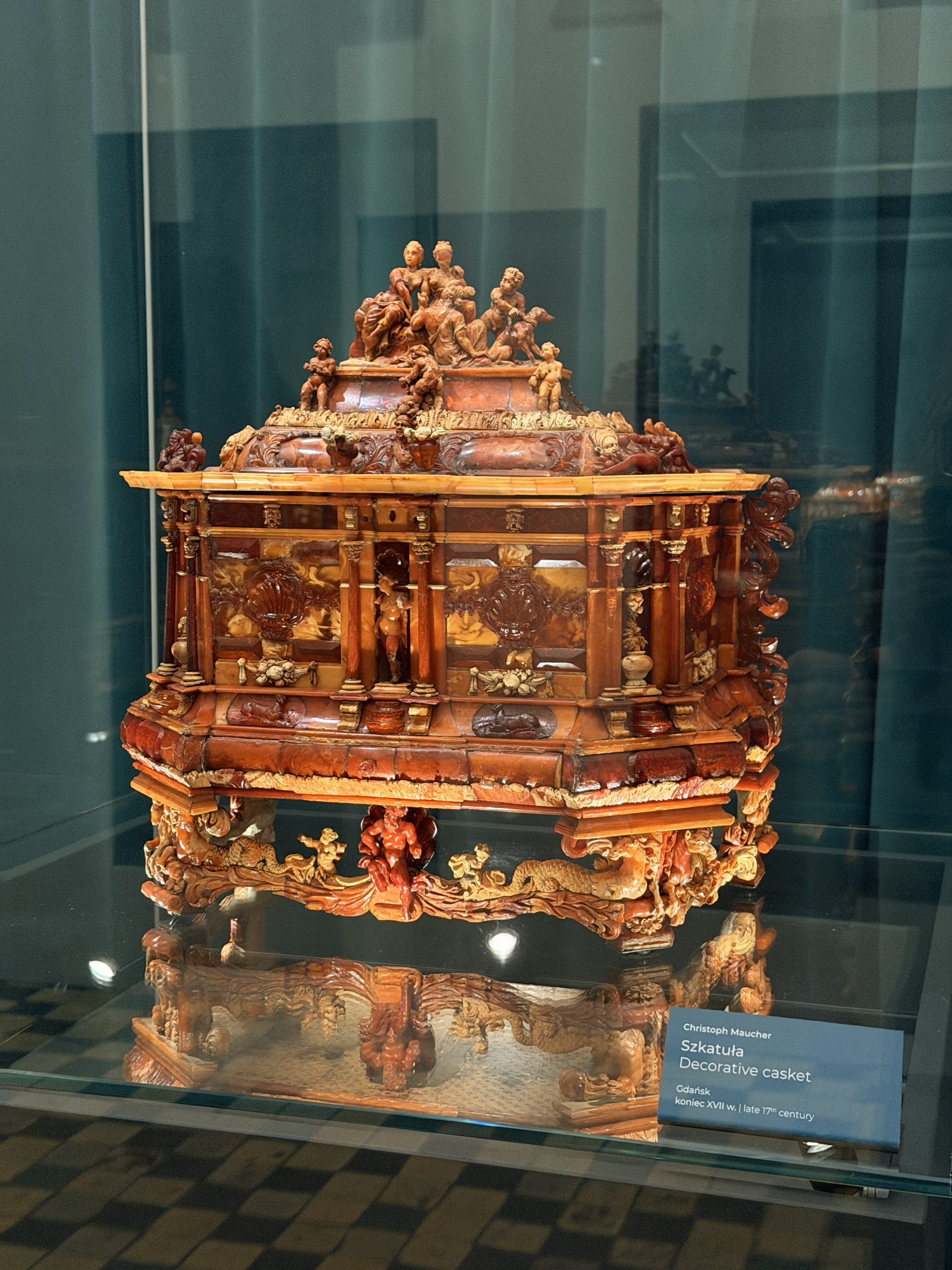
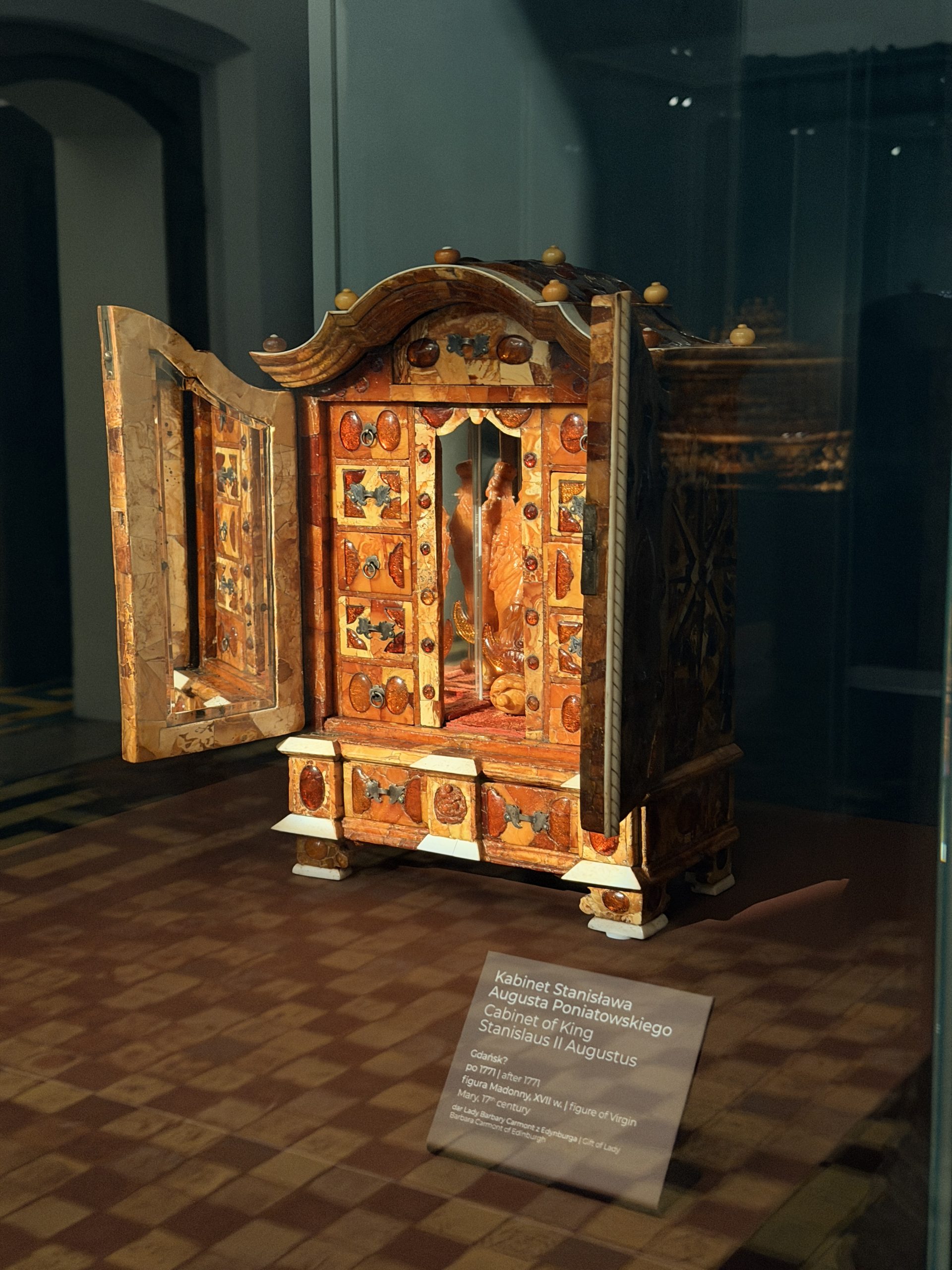
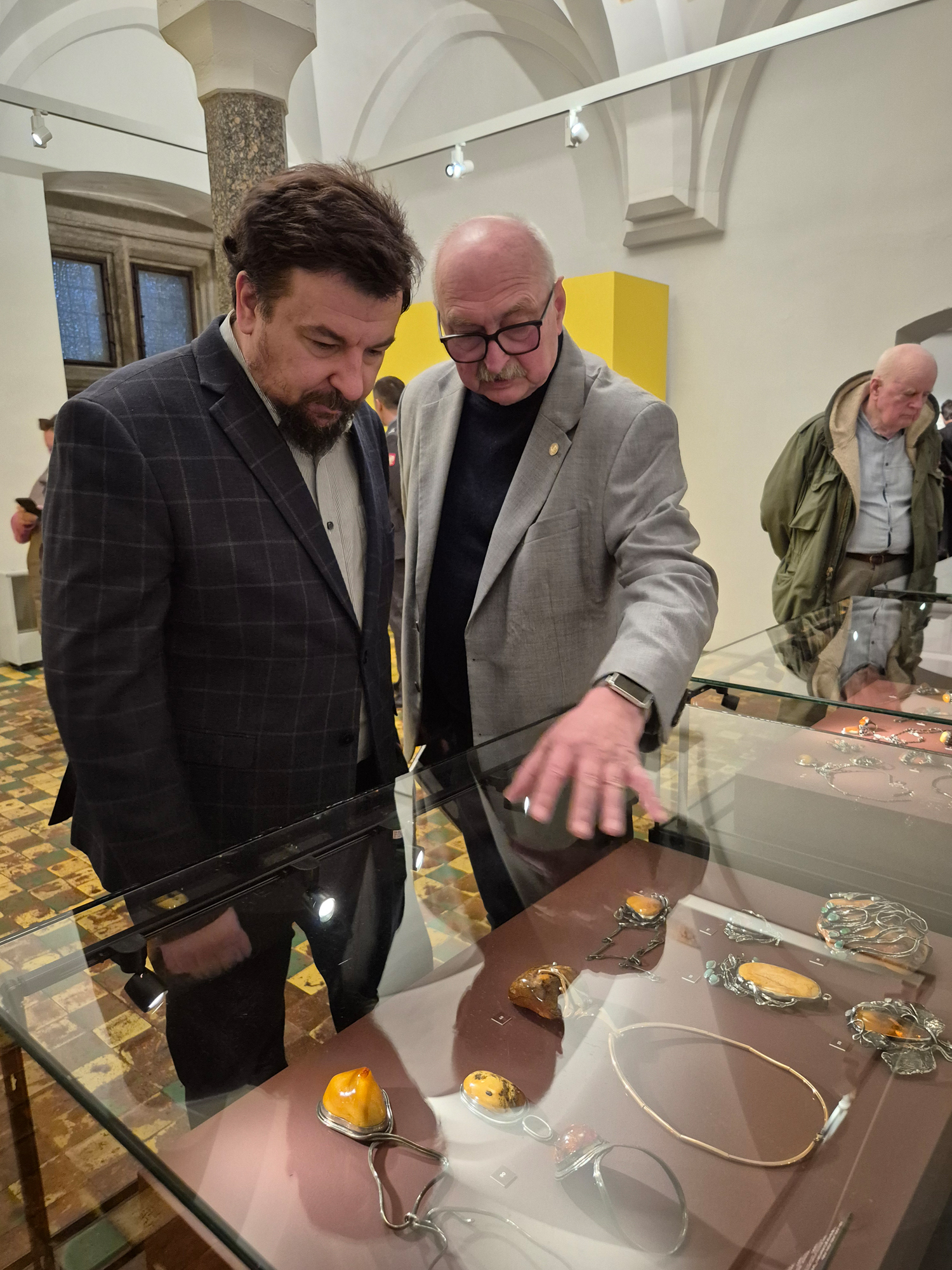
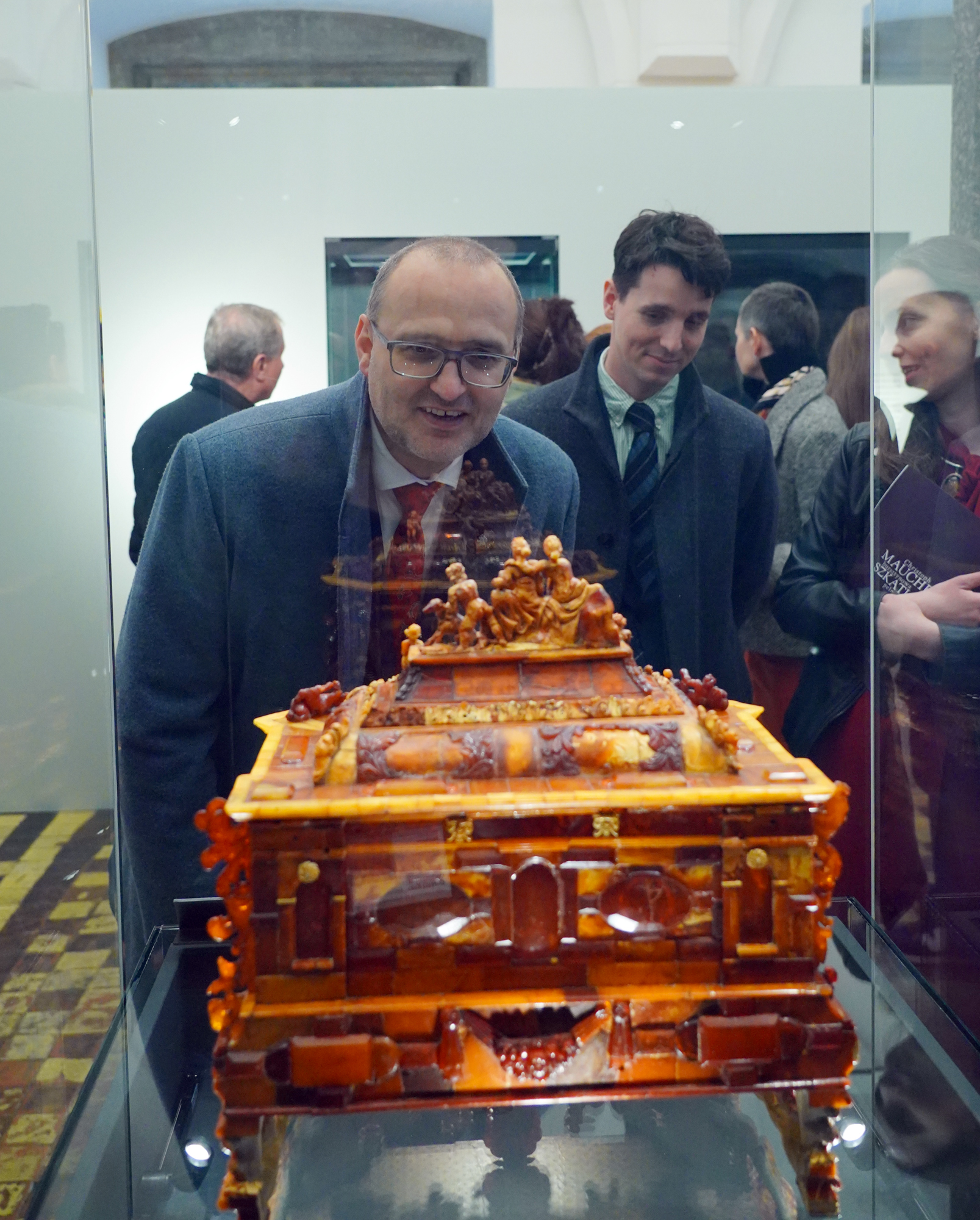
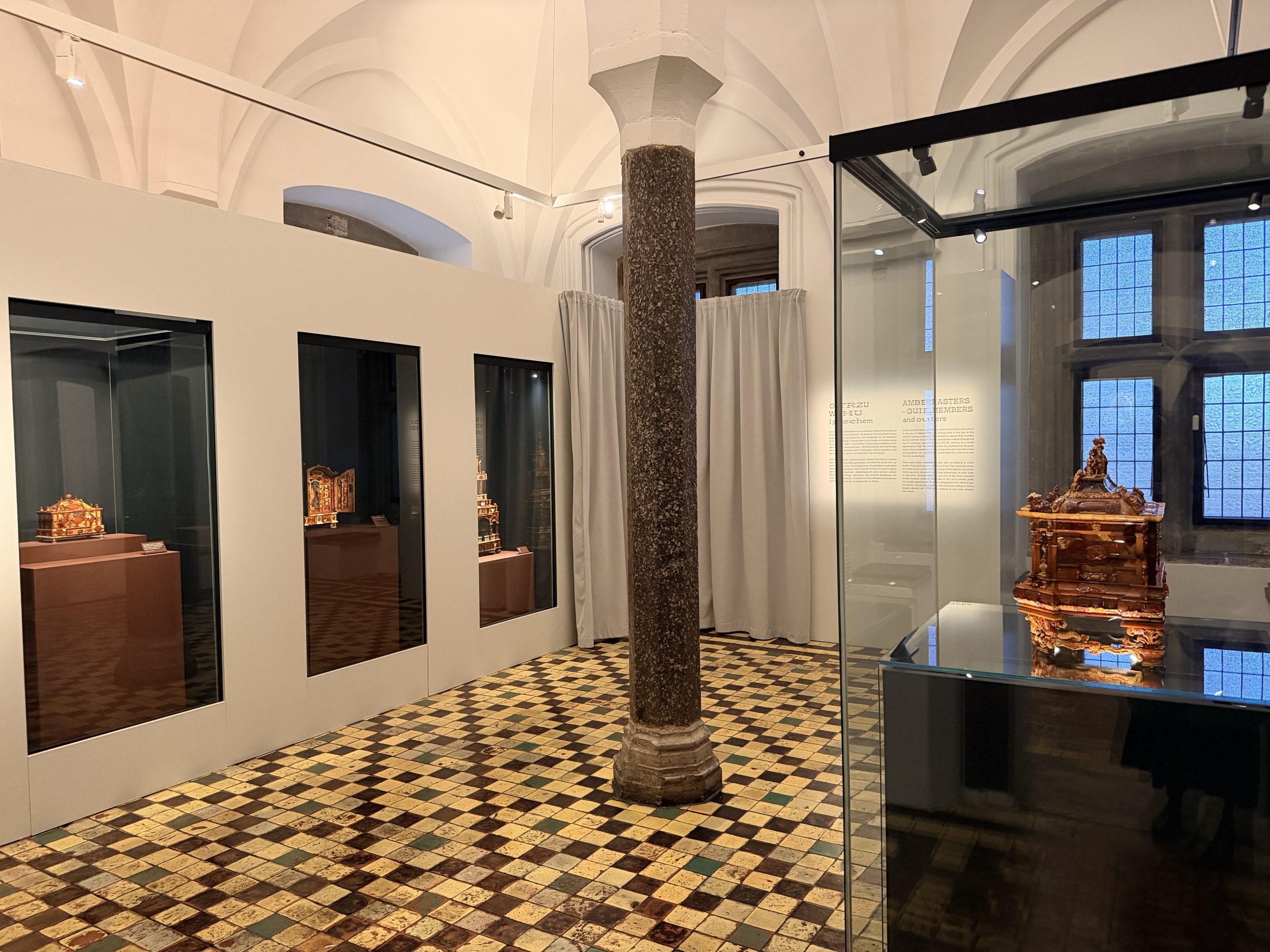
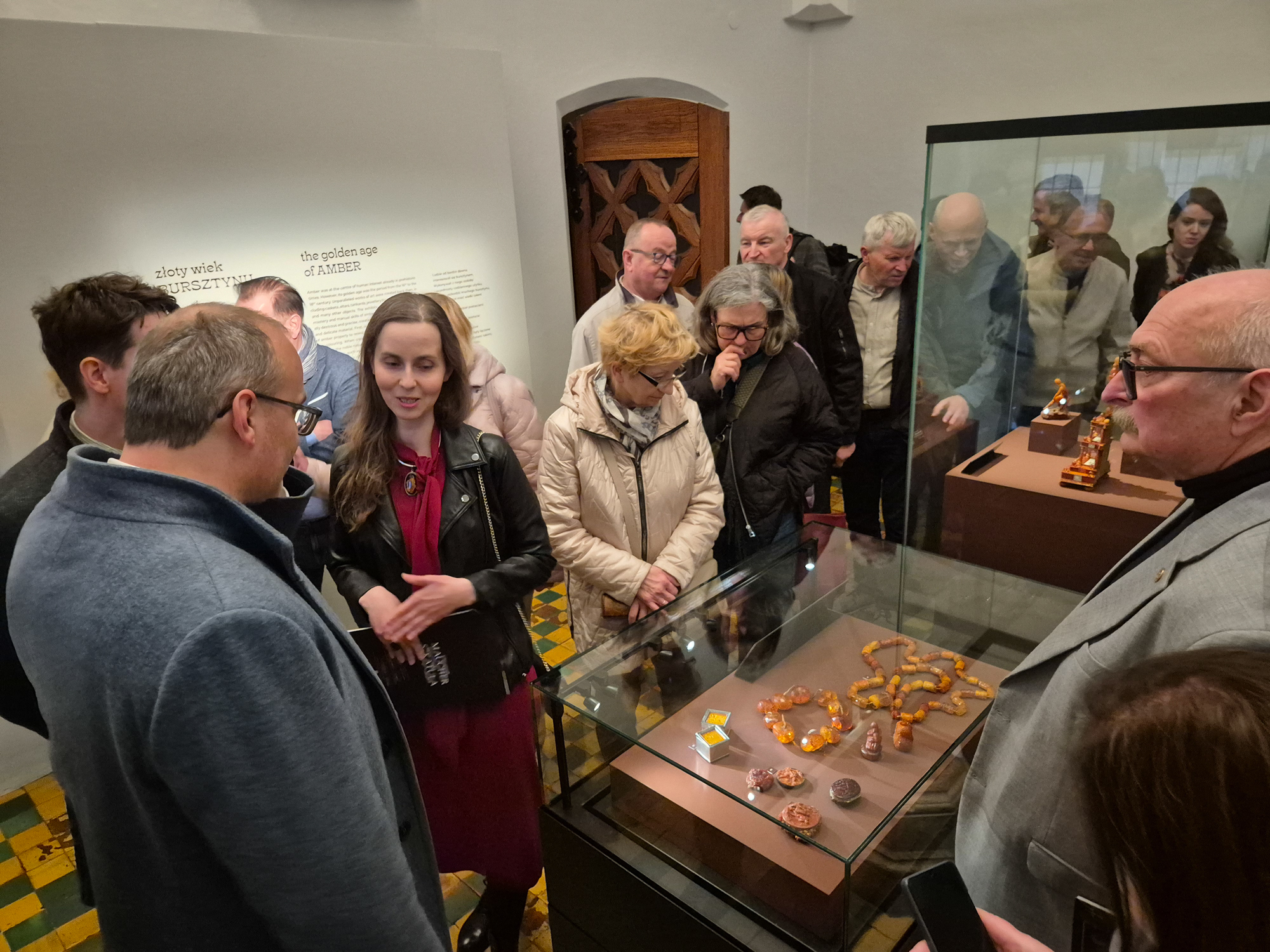
Following the official proceedings, guests took part in a curator-led tour, which allowed them to examine selected objects more closely. Particular attention was drawn both to the exquisite works from what is known as the Golden Age of amber craftsmanship – caskets, altars and small sculptural forms – and to contemporary works in which amber is combined with other materials and interpreted in a modern way.
The exhibition presents around 100 objects selected from the Malbork collection, which comprises nearly 2,000 works. These include both historical works and works by artists from the second half of the 20th and 21st centuries, making the exhibition comprehensive and multi-faceted.
The exhibition ‘Bursztynnik. Mistrz dawniej i dziś’ is not only a display of rarely exhibited artefacts, but also a carefully constructed narrative about the continuity of tradition and its contemporary reinterpretations. The exhibition is open to the public from 24 April 2026.