Workshop: “Gniew castle during the period of political transformation in Poland. A case study”
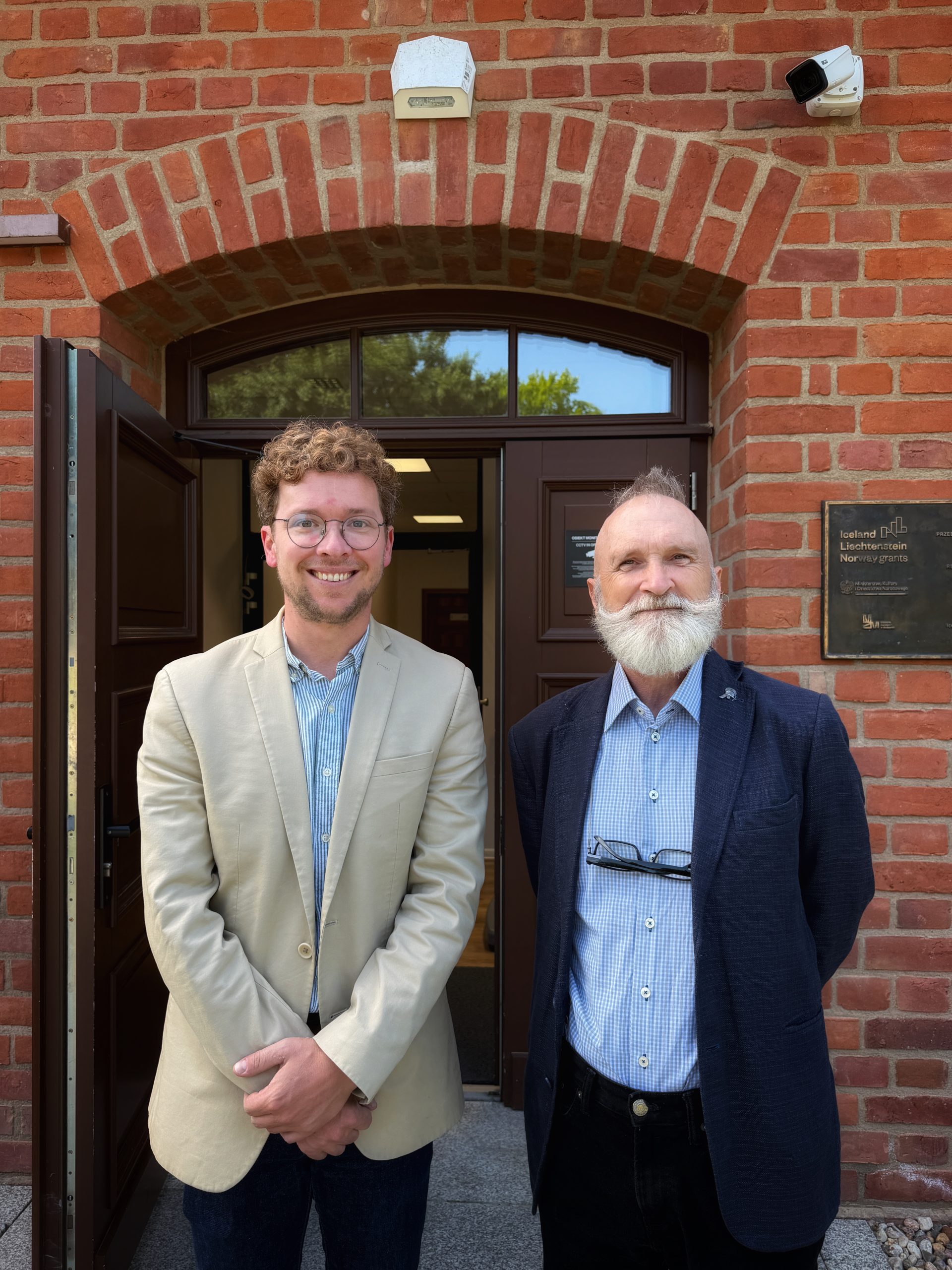
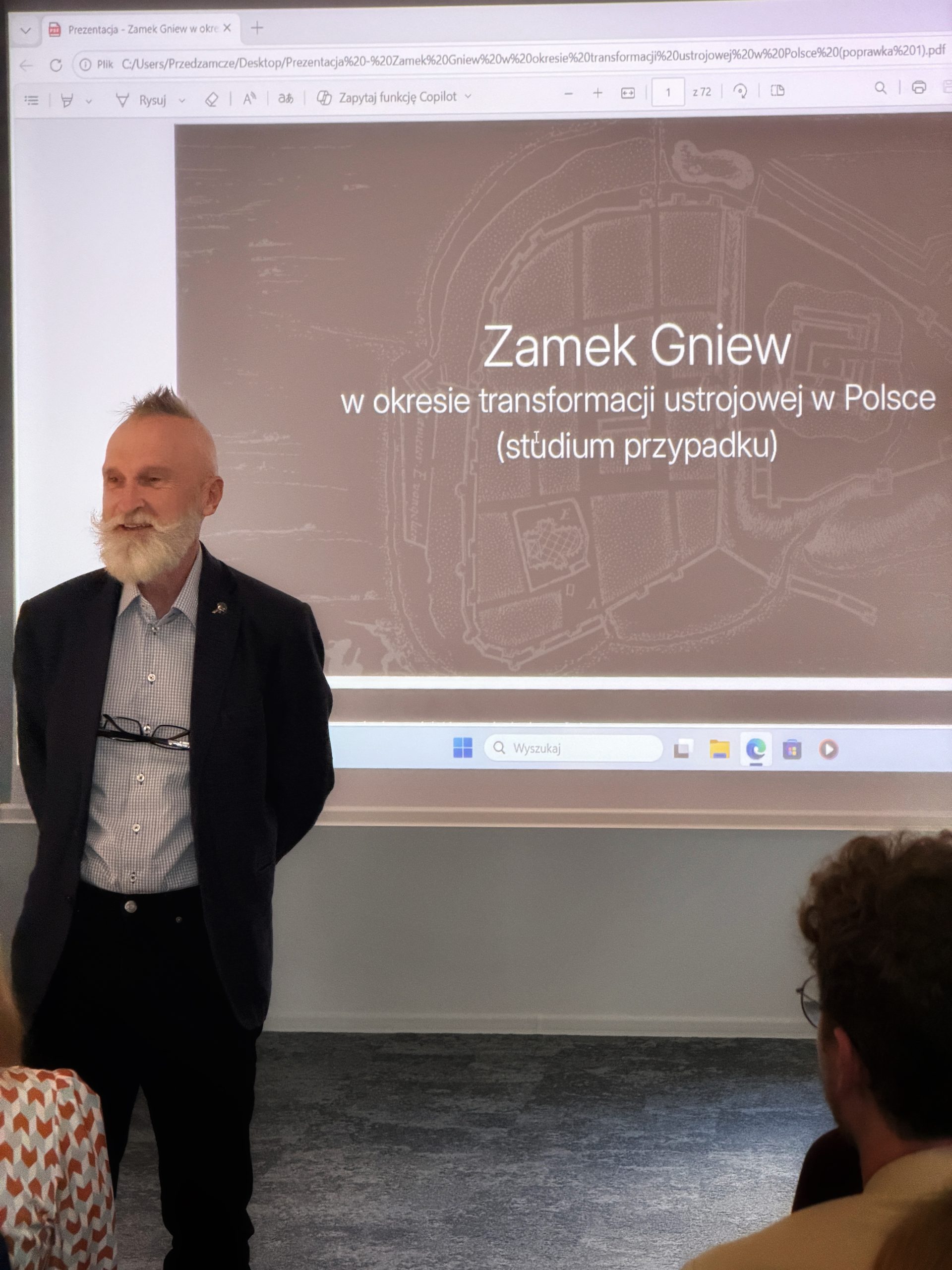
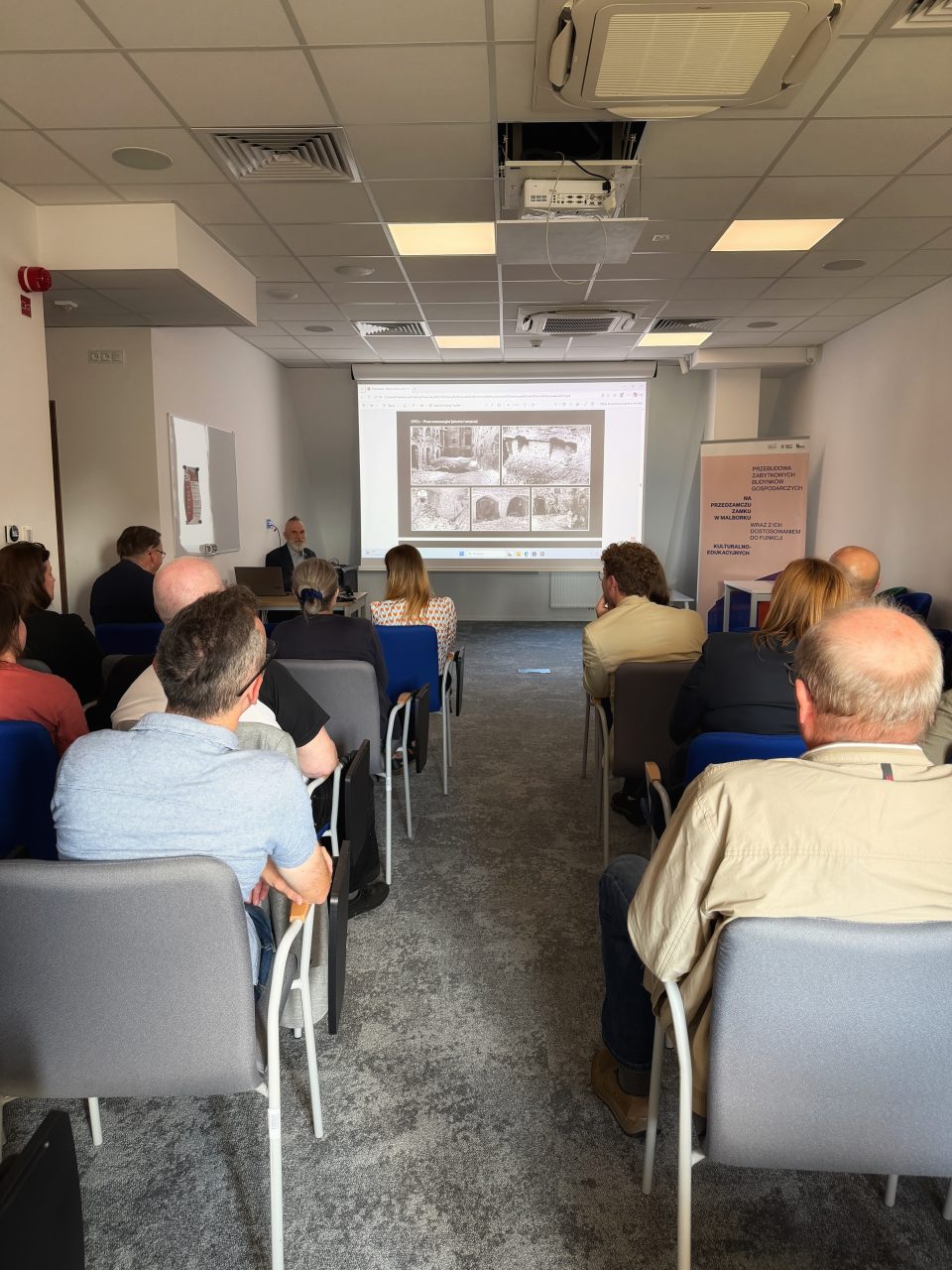
On 8 June 2026, a workshop by Jarosław Struczyński entitled “Gniew Castle during the period of political transformation in Poland. A case study” was held at the Centre for Research on the Heritage of the Teutonic Order.
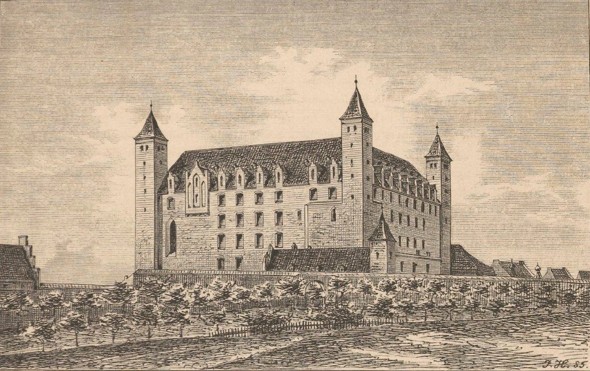
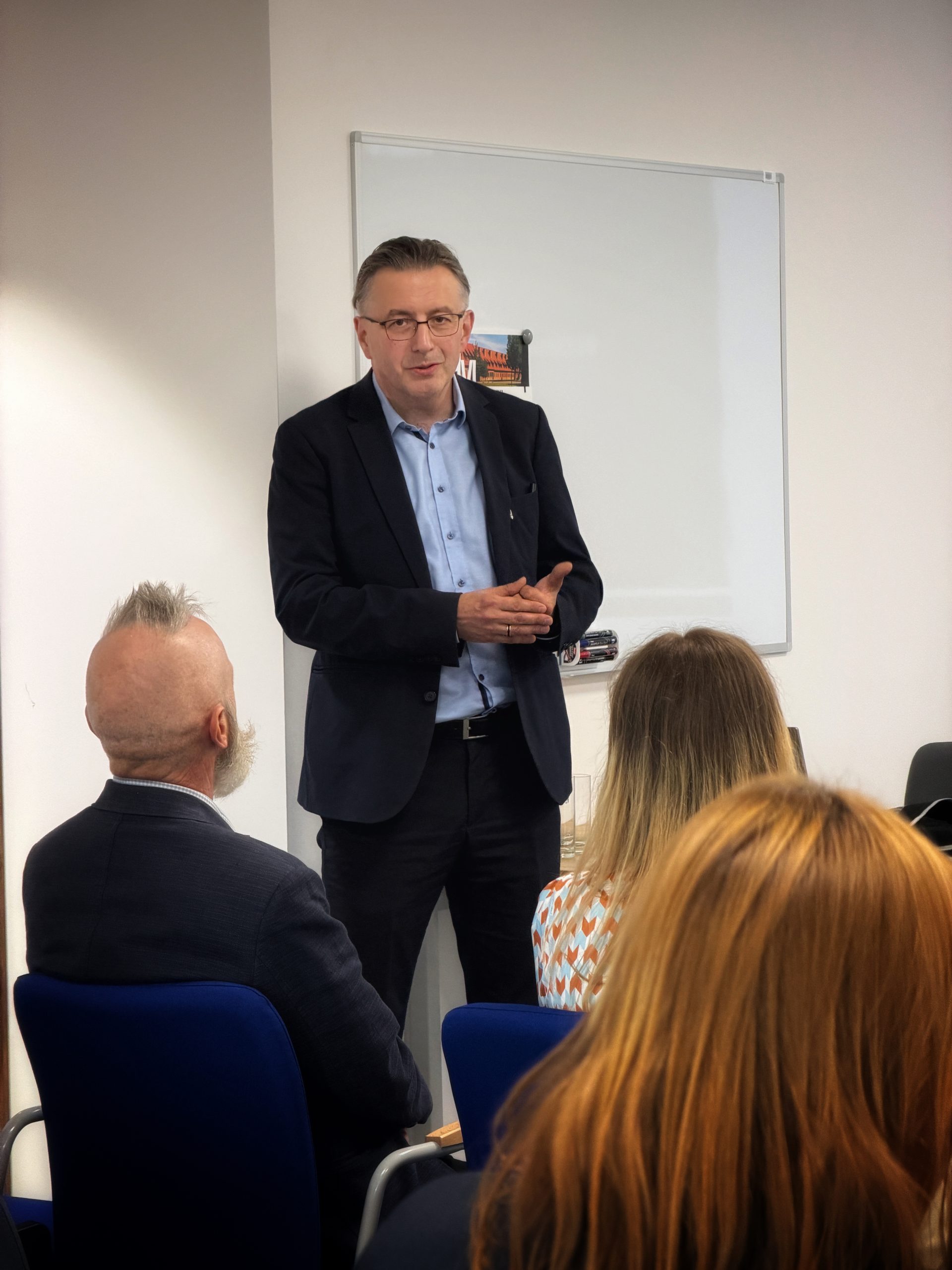
The meeting was opened by the Director of the Malbork Castle Museum, who introduced the speaker and the topic to be presented to those in attendance. Jarosław Struczyński is a social activist, cultural animator, organiser of history-promoting events, and founder of historical re-enactment groups. At the beginning of the presentation, illustrations depicting attempts to reconstruct the various phases of the construction of Gniew Castle and the site's final medieval architectural form were shown. In the subsequent part of the lecture, participants were introduced to the history of the site in the nineteenth century, when it housed a Prussian high-security prison for repeat offenders, learning about the structural alterations made to the castle walls in connection with this function. The presentation also covered the history of the castle’s use within the structures of the Polish Armed Forces, subsequent efforts to save the ruined building, and the successive stages of its reconstruction. Matters relating to opening the site to visitors and the initiatives currently being undertaken to promote history were presented in a particularly engaging and detailed manner. In addition, attention was drawn to the risks that may accompany a change of ownership and to the potential solutions that should be considered in such circumstances. This was especially valuable as Jarosław Struczyński discussed these issues on the basis of his own experience. The presentation also addressed the possibilities for the commercial use of historic buildings, including weddings, cultural events and hotel operations. The lecture was supplemented by a substantial number of both historical illustrations and photographs, allowing participants to gain a deeper understanding not only of the history and historical transformations of Gniew Castle, but also of its present-day functioning.
The presentation was followed by a discussion in which contributions were made by the Director of the Malbork Castle Museum (Dr hab. Janusz Trupinda), Dr Kazimierz Pospieszny, Tomasz Błyskosz, Anna Kussowska-Sekuła and the Director of Gniew Castle (Agnieszka Frost). Topics discussed included the presence of the main tower (Bergfried) within the castle complex, discoveries of the cloister foundations, further details concerning the process of saving the castle ruins, and even the Vivat Vasa Historical Festival and the King John III Sobieski Knights’ Tournament. Future investment plans and the expansion of the hotel facilities were also discussed.
The next workshop will be devoted to the 700th anniversary of the completion of the Chronicle of Peter of Dusburg, which falls this year.