Visiting hours today: 09:00 - 20:00, last entry Castle Grounds Tour 18:30

Research Centre for Post-Teutonic Order Heritage

News

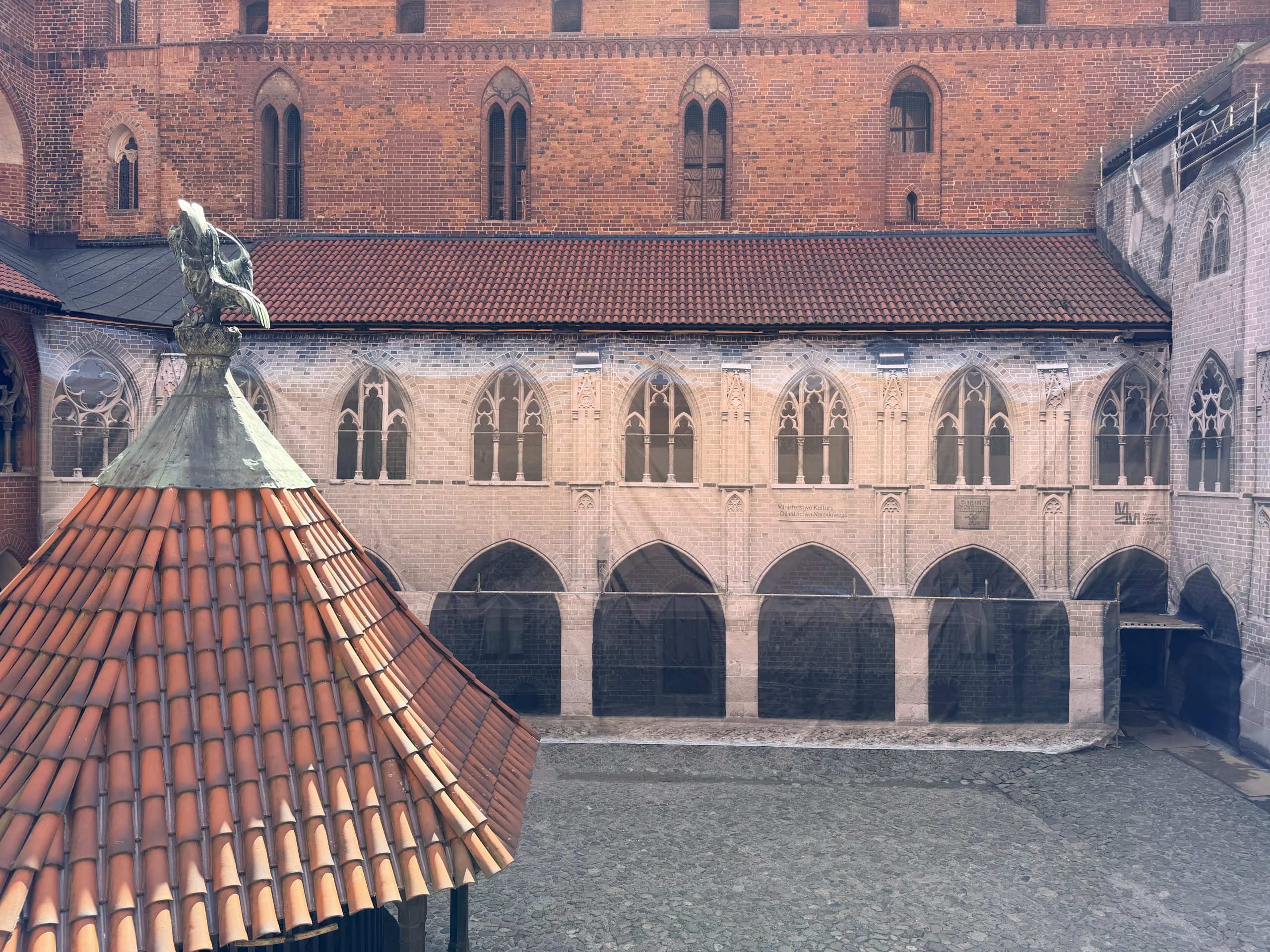
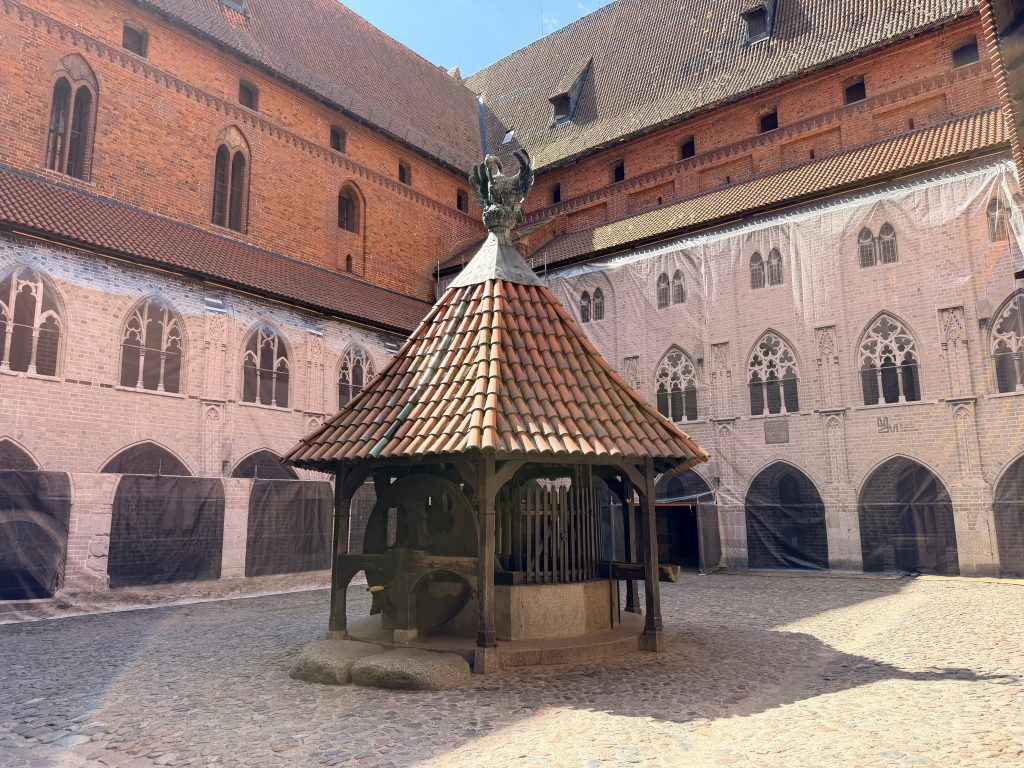
Conservation work on the eastern and southern cloisters at the High Castle
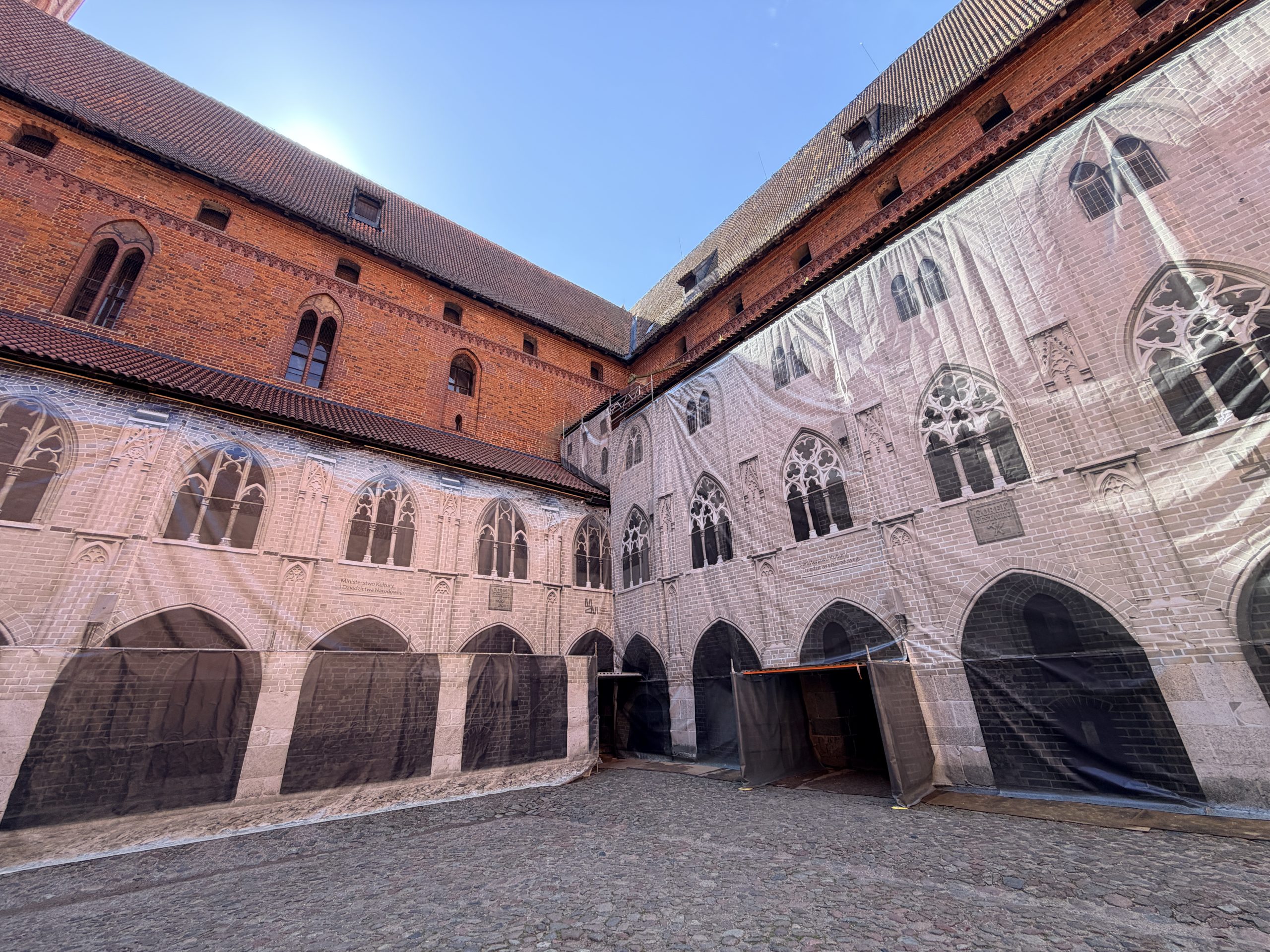
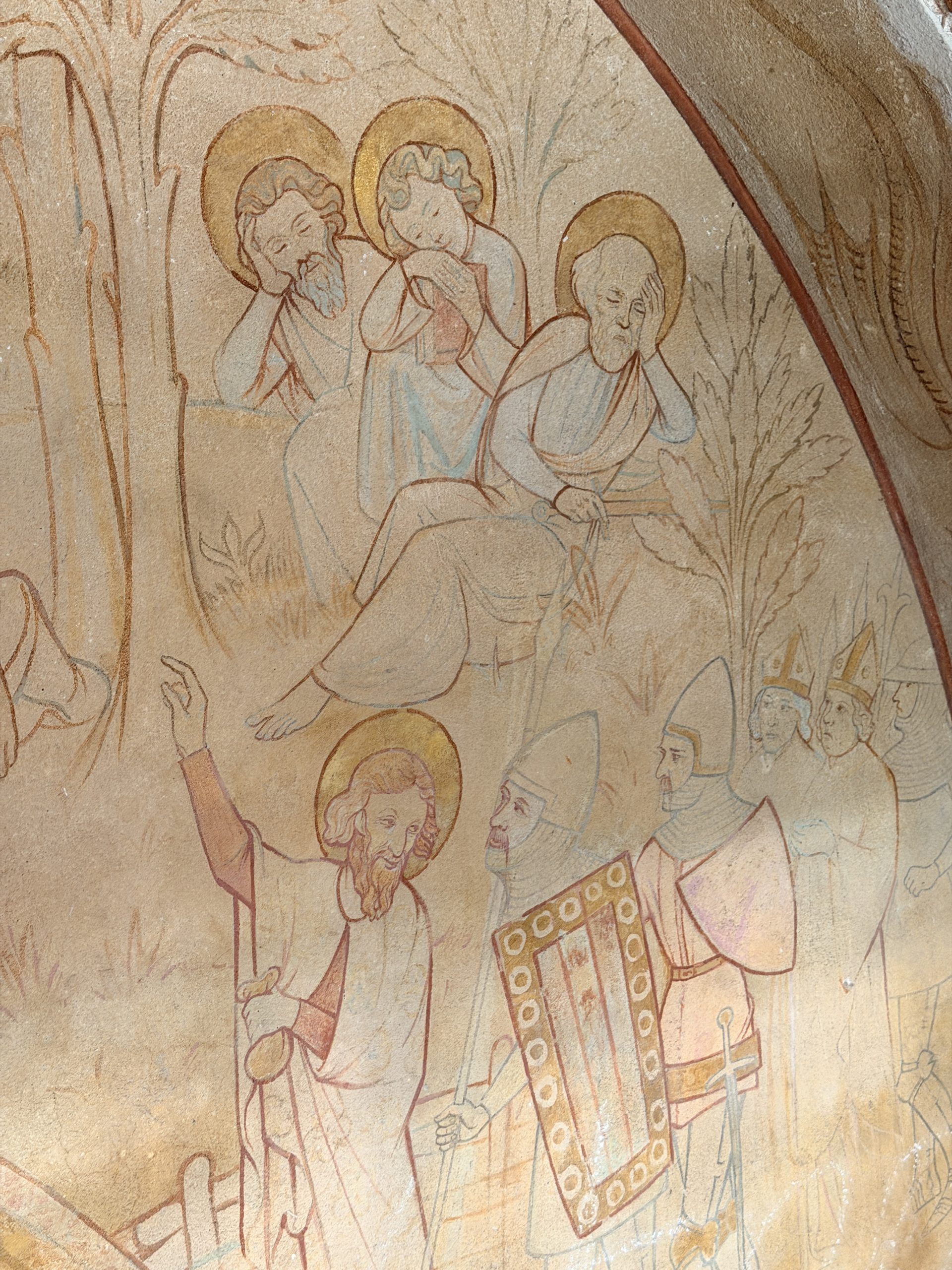
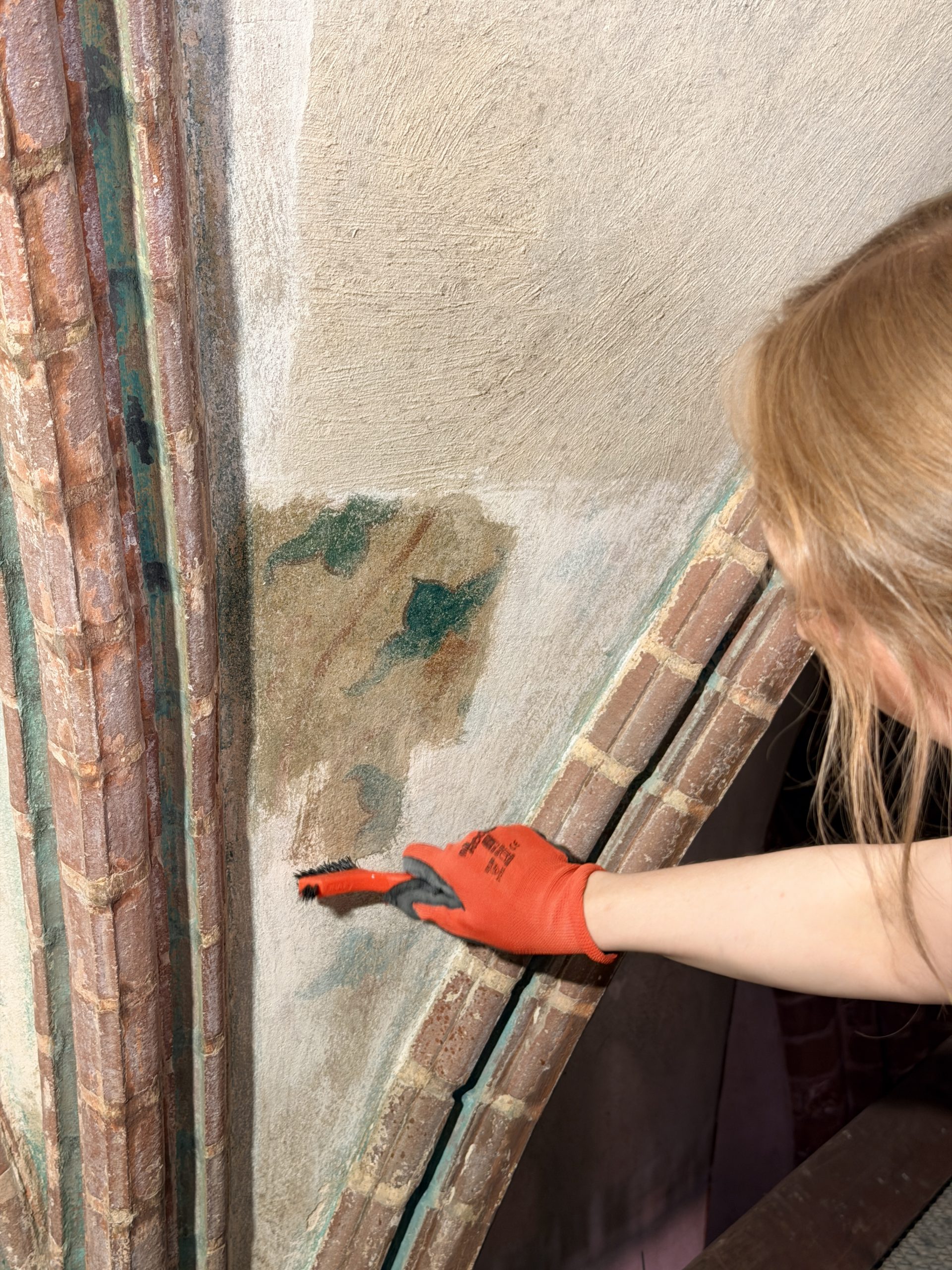
In May 2026, the Malbork Castle Museum commenced the second phase of a comprehensive conservation programme for the High Castle cloisters. This year’s work encompasses the eastern and southern wings. The work focuses not only on the conservation of the façades, but also on the highly demanding task of revealing surviving polychrome decoration hidden beneath secondary layers introduced during the post-war alterations of the eastern wing.

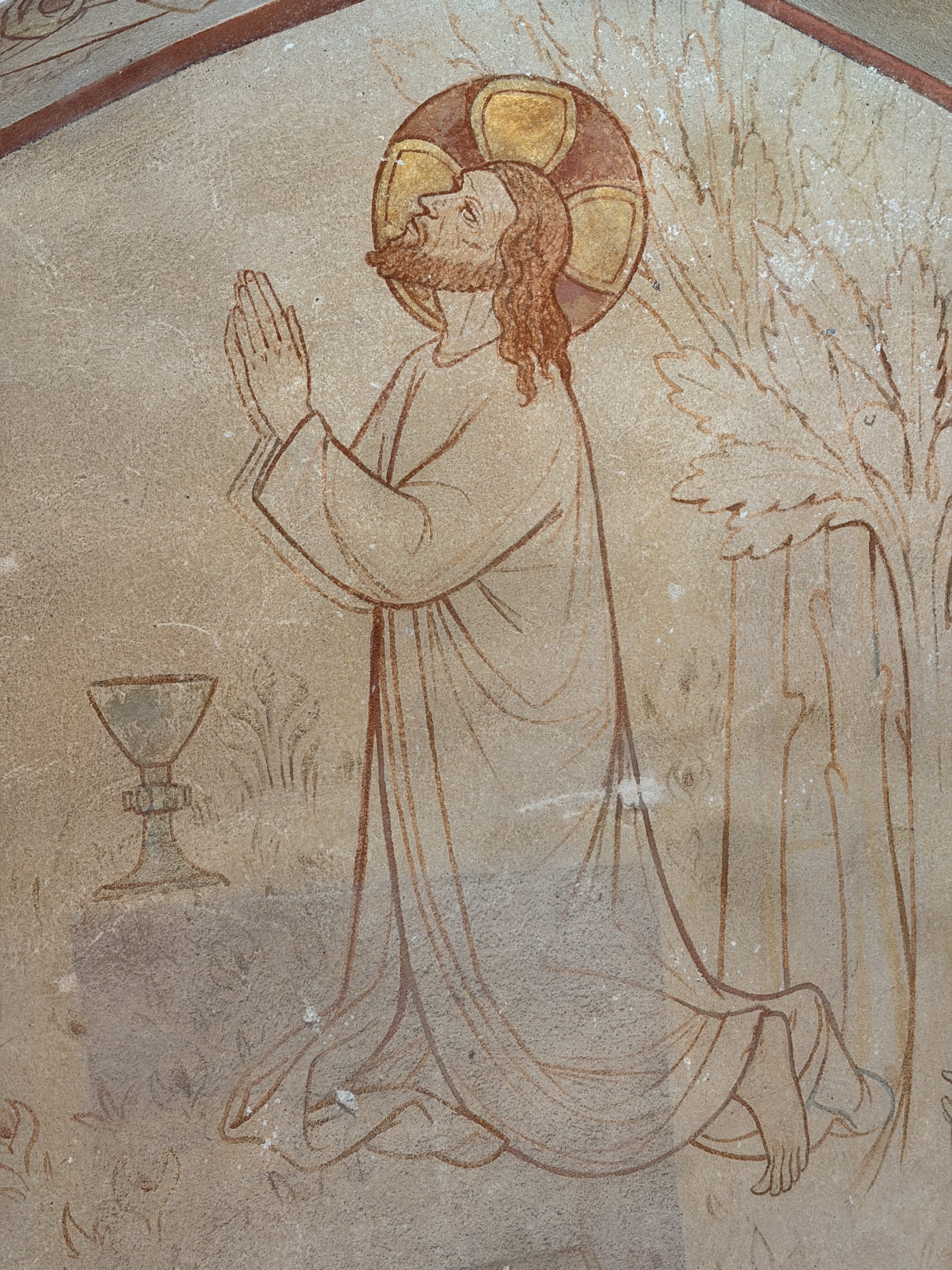
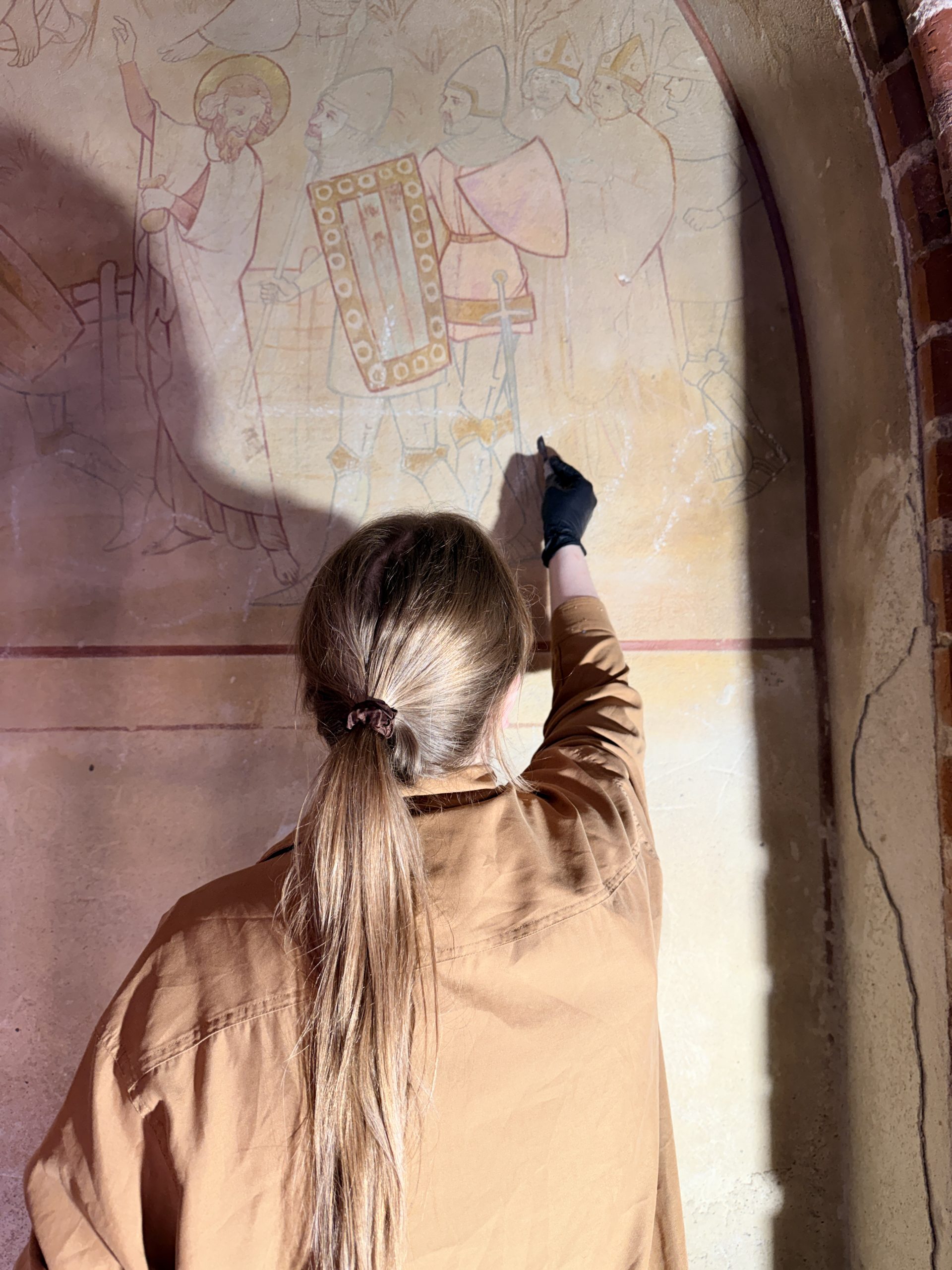
Historic polychrome decoration revealed beneath the plaster

Conservation work is now under way, with the aim of gradually bringing these remarkable traces of the past back into view. The newly uncovered decorations date from the reconstruction of the castle directed by Conrad Steinbrecht and constitute material evidence of one of the most significant chapters in its history: its restoration in the nineteenth century.

Each revealed section of polychrome decoration serves not merely as a decorative element, but primarily as material evidence of the reconstruction process and of the way heritage protection was conceived at the time. Contemporary conservation thus extends beyond the protection of the oldest medieval remains to encompass the preservation of later phases in the monument’s history.

Innovative methods

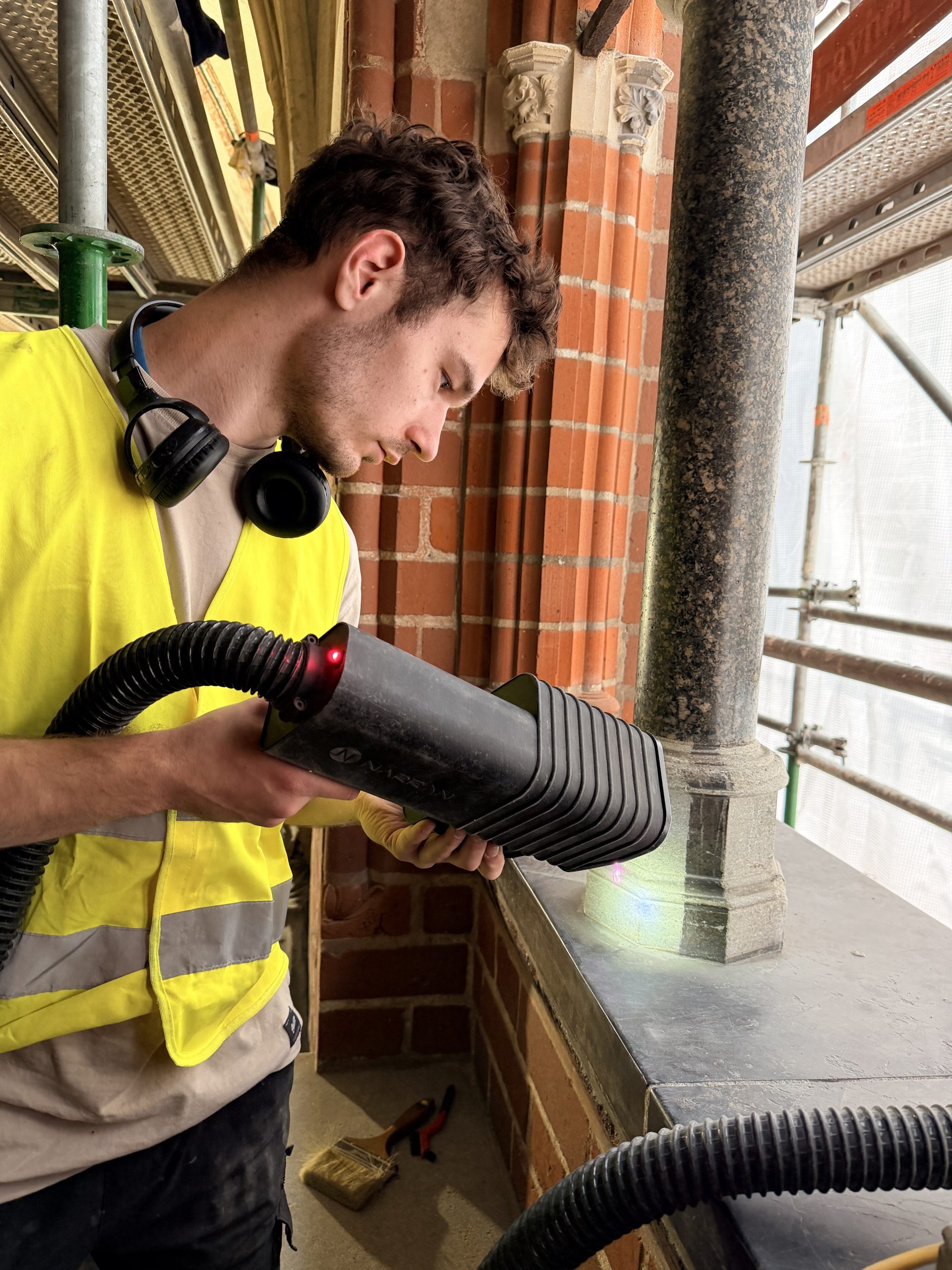
In contemporary conservation and construction work, the Malbork Castle Museum brings together established conservation methods and cutting-edge technology. Before any work begins, the structure is scanned. The resulting digital model enables the condition of the structure to be documented with the highest degree of accuracy and the effects of the conservation work to be monitored. The structure is also subjected to a range of non-destructive examinations designed to establish its condition.

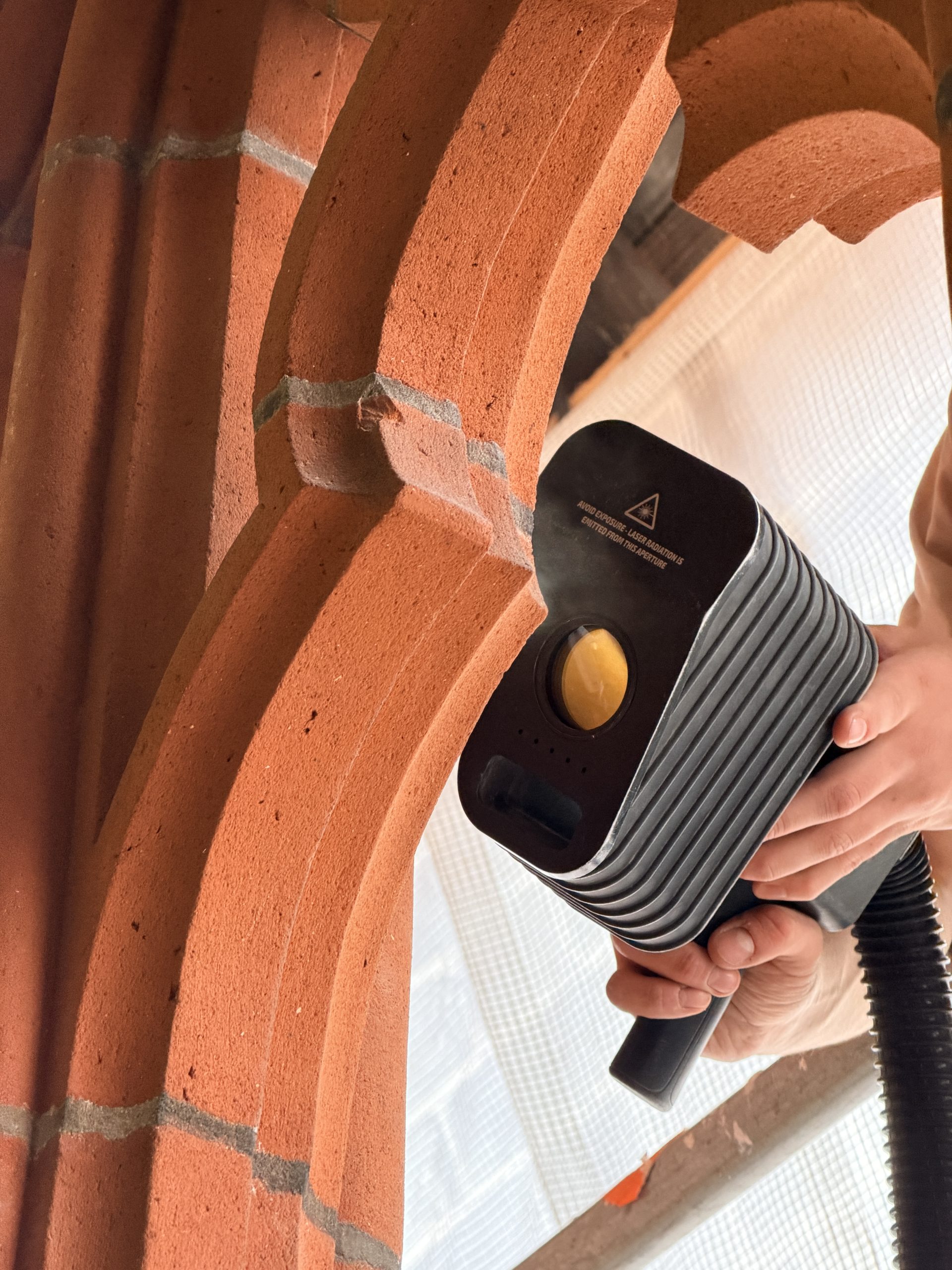
The conservation process incorporates innovative methods such as laser cleaning. The technique allows contaminants to be removed from stone and brick surfaces with a high degree of precision and minimal impact on the historic object. It is precisely the combination of conservation expertise and the advances of modern technology that makes it possible to preserve cultural heritage effectively for generations to come. The integration of expertise, science and modern technology now sets the standard for heritage conservation.

The historic monument as a record of different eras

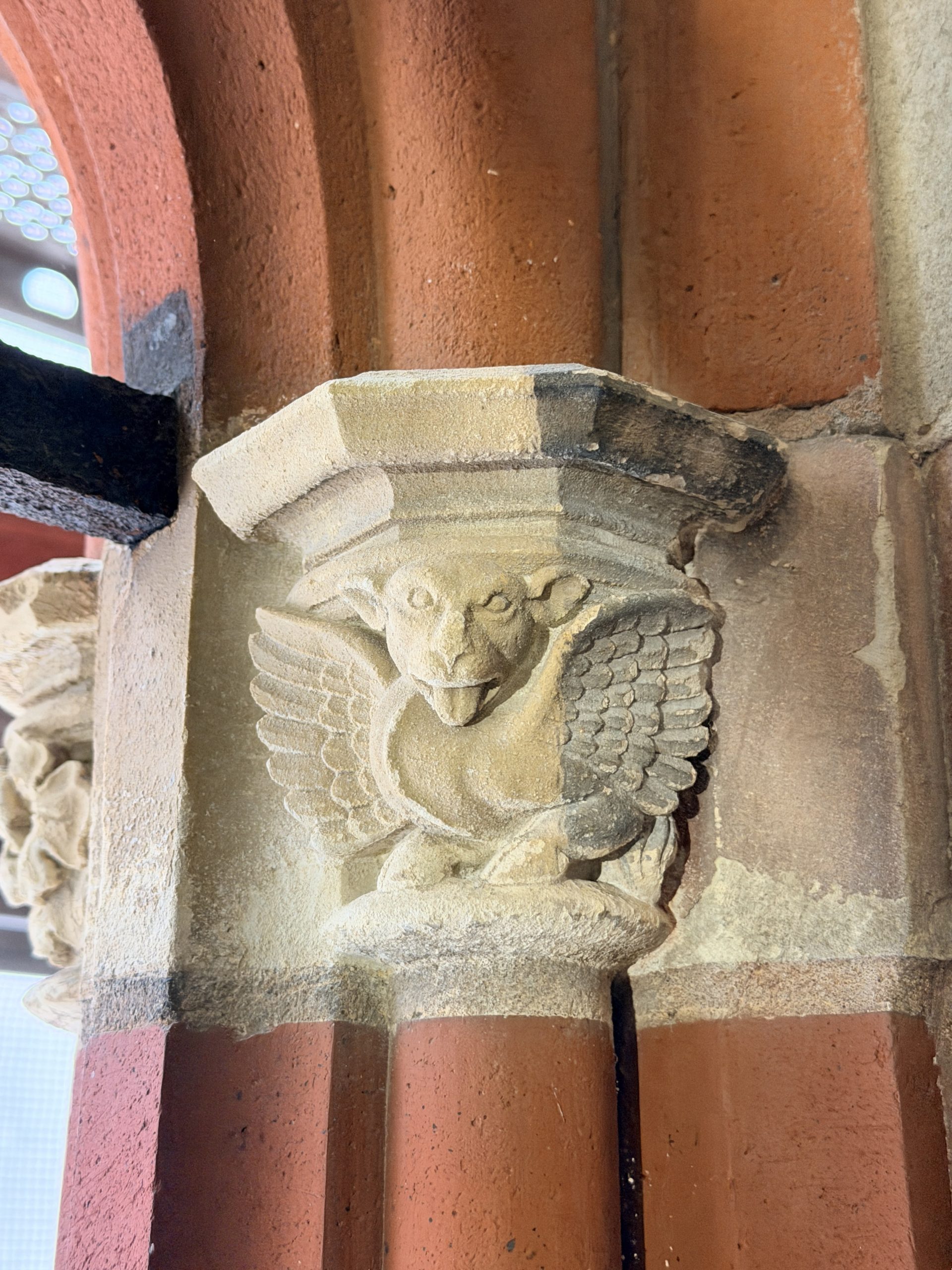
The conservation work on the cloisters represents a meeting point between medieval architecture, nineteenth-century concepts of reconstruction and modern conservation expertise. The role of the conservators is to safeguard this complex historical narrative, since the monument bears witness not only to its earliest past, but also to every subsequent period that has shaped it.

Co-funded by the Minister of Culture and National Heritage. Project title: Conservation Work on Immovable Heritage Assets.

Tickets

Buy tickets online

Opening Hours

  • Mon:9:00 - 20:00
Exhibitions
  • Tue - Sun:9:00 - 19:00

Contact

Tourist Information

  • +48 55 647 08 00
  • +48 55 647 09 02
  • +48 55 647 09 78