Visiting hours today: 09:00 - 16:00, last entry Castle Grounds Tour 14:30

Research Centre for Post-Teutonic Order Heritage

News

A series of autumn early music concerts
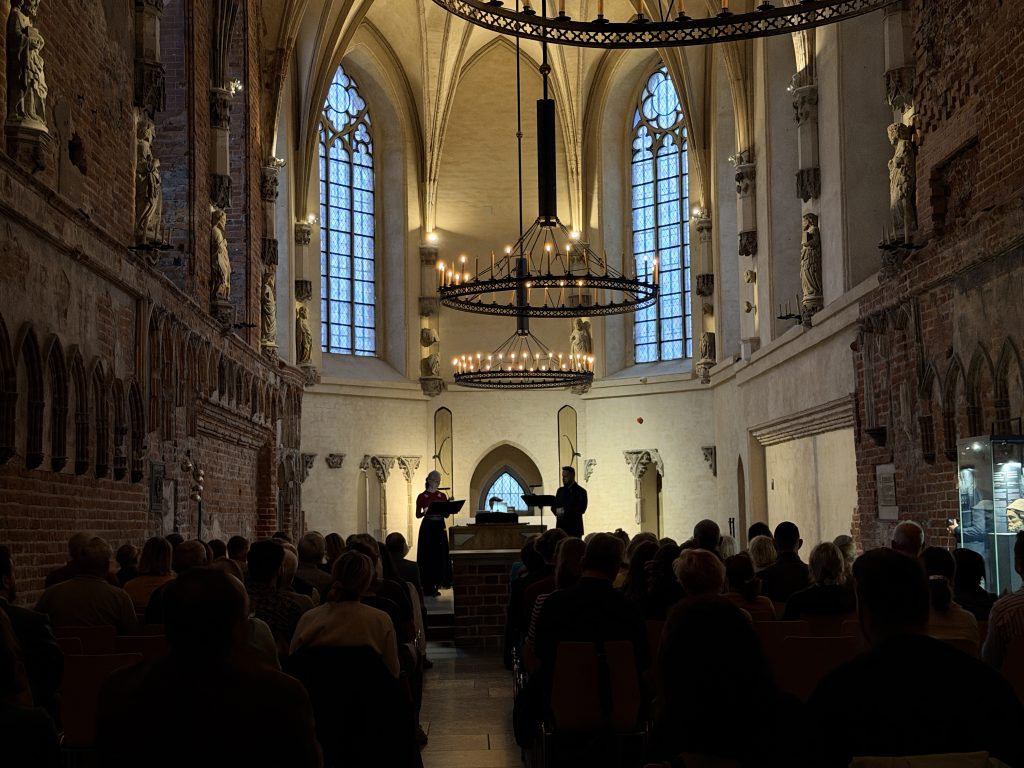
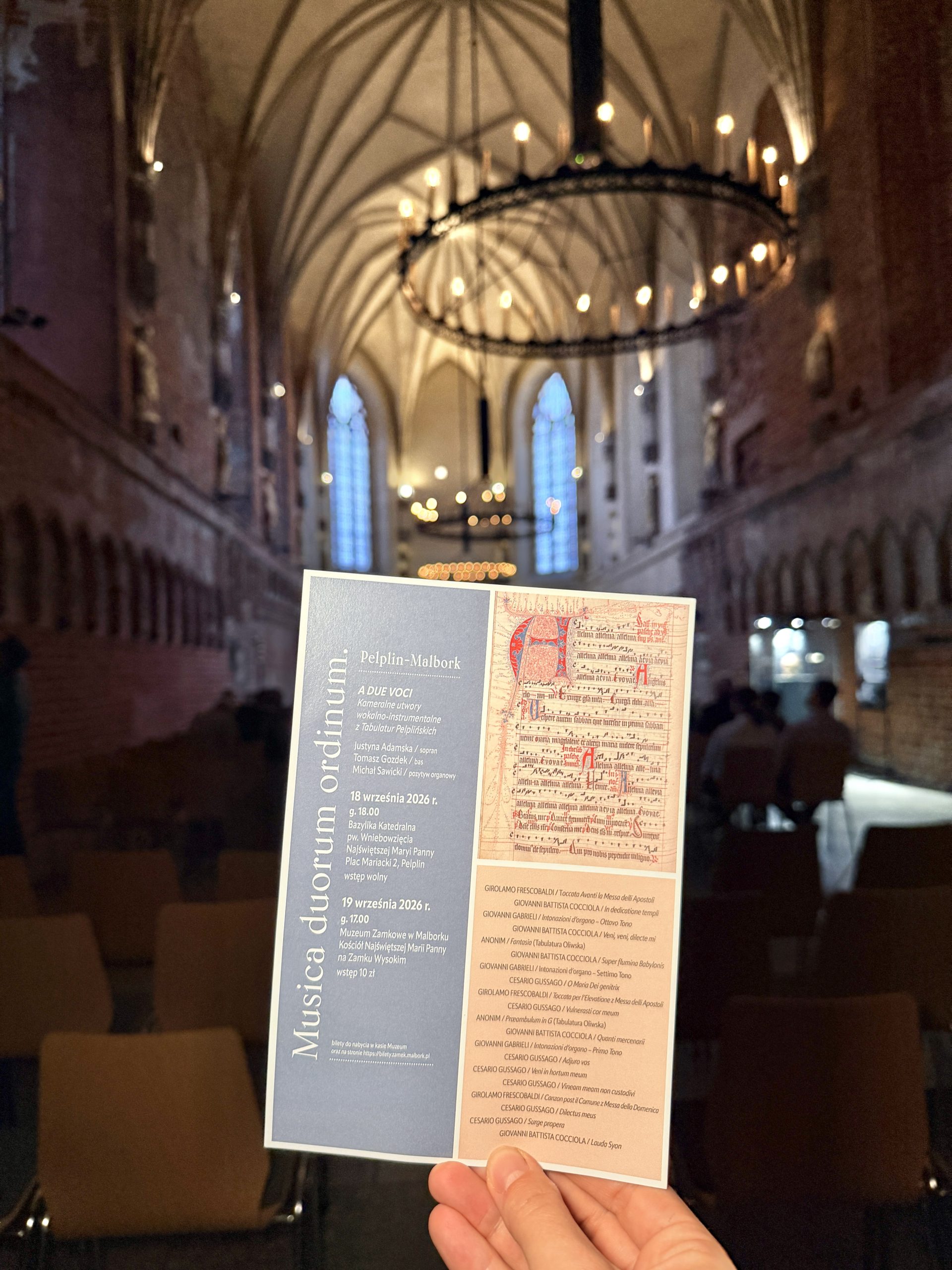
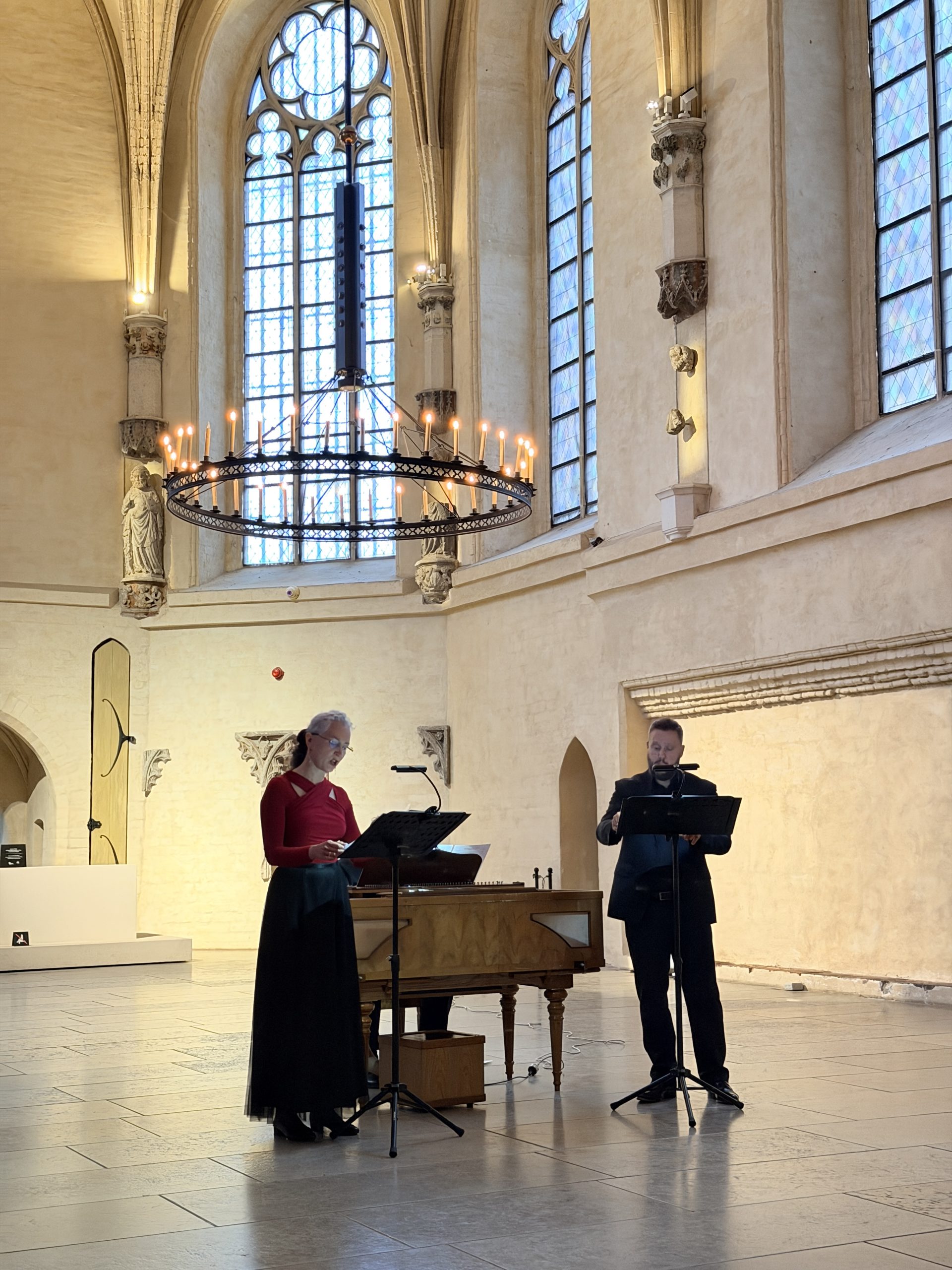
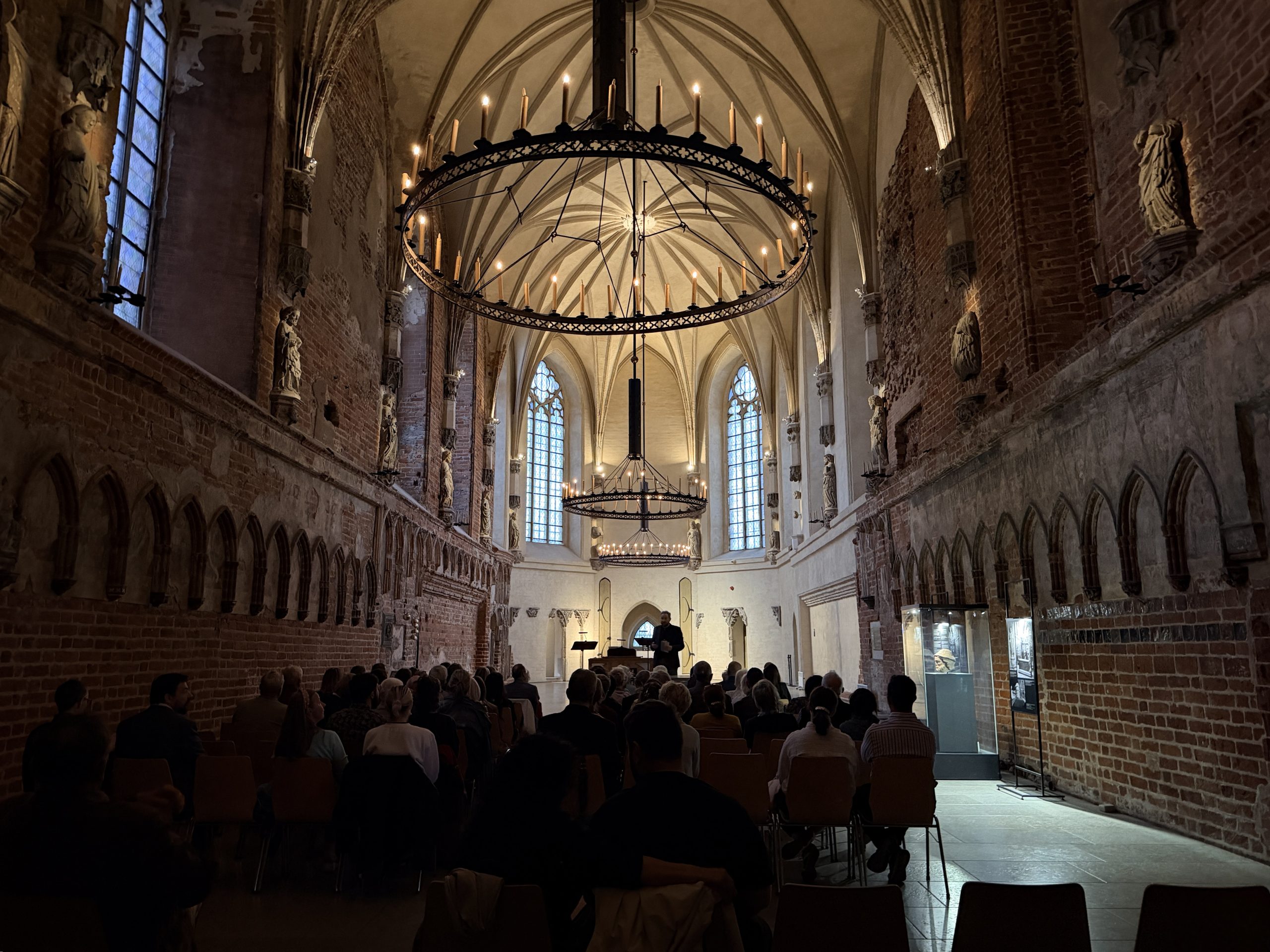
On Saturday, 19 September 2026, the ‘A DUE VOCI’ concert took place within the castle walls, featuring chamber vocal and instrumental pieces from the Pelplin Tablatures. The interior of the Church of the Blessed Virgin Mary at the High Castle was filled with the harmony of a soprano and a baritone, accompanied by organ music. This was the first in a series of autumn concerts organised by the Malbork Castle Museum in partnership with the Fryderyk Chopin Institute and the Kociewie Cultural Centre.

The Repertoire of the Pelplin Tablatures

Manuscripts compiled within the Pelplin cathedral and Cistercian abbey in the early decades of the 17th century provide direct evidence of the centre’s musical life in the past. The repertoire is dominated by Latin sacred vocal pieces for 6-8 voices, but it also includes secular instrumental compositions. A small group of pieces, opening the first of the six volumes of the source, consists of pieces for two vocal parts accompanied by organ; these formed the repertoire of the concert.

Two-part compositions have survived from the works of only two of the over one hundred composers whose works appear in the Pelplin tablatures: Giovanni Battista Cocciola and Cesario Gussago.

The musical style of both composers is firmly rooted in the sixteenth-century tradition and draws on the achievements of the masters of the High Renaissance; yet it also contains elements characteristic of the more recent music of the seventeenth century. Both composers readily employ shorter, expressive musical phrases, and they also build tension through a bolder – and thus more evocative – use of dissonance. Given the unique style of this repertoire, as well as its particular significance for the history of Polish musical culture, it is so important to bring it back into contemporary concert life.

The programme was complemented by organ pieces composed around the same time as the repertoire of the Pelplin Tablatures: intonazioni by Giovanni Gabrieli (c. 1557-1612), compositions by Girolamo Frescobaldi (1583-1643) and anonymous works preserved in the Oliwa Tablature, compiled around 1619. This juxtaposition highlighted the broader context of organ music accompanying the vocal repertoire at the turn of the 16th and 17th centuries.

Performers

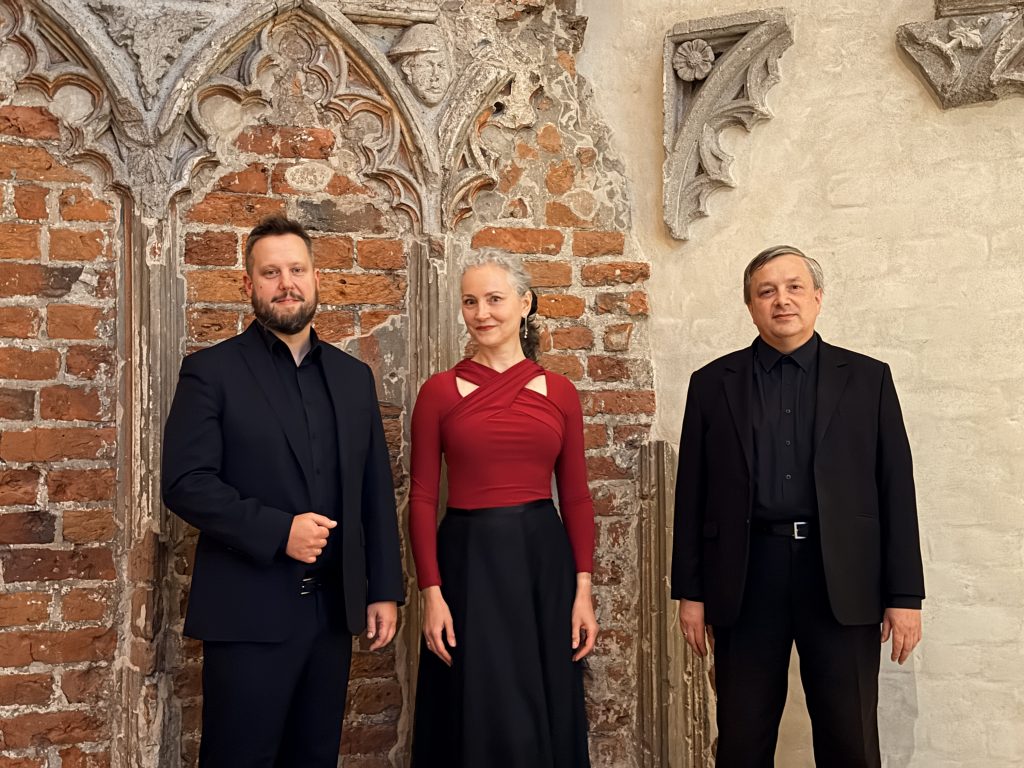
The pieces were performed by outstanding musicians specialising in early music: Justyna Adamska – soprano, Tomasz Gozdek – baritone, Michał Sawicki – positive organ.

From the left: Tomasz Gozdek – baritone, Justyna Adamska – soprano, Michał Sawicki – positive organ.

TOMASZ GOZDEK
baritone, vocalist with a particular interest in the early music repertoire. He studied singing under the guidance of Prof. Cezary Szyfman and Prof. Ewa Iżykowska-Lipińska. He has also refined his skills and technique through courses led by eminent specialists in the field of historical performance practice, including Paul Eswood, Marcin Bornus-Szczyciński, Robert Pożarski, Anna Mikołajczyk-Niewiedział, Étienne Meyer and Judith Pacquier. He has performed with renowned early music ensembles, including Ars Nova, Il Tempo and Jerycho. His artistic activity includes both a solo repertoire and ensemble music. He is currently a permanent member of the Early Music Ensemble Gregorianum and the Polish Royal Opera.

JUSTYNA ADAMSKA
A soprano, she most frequently performs early music, primarily Renaissance and Baroque, as well as Gregorian chant. She specialises in chamber music. Between 2010 and 2020, she led the Canti Vocal Ensemble. She is currently a member of the Chamber Choir of the Polish Royal Opera and the Mulierum Schola Gregoriana ‘Clamaverunt lusti’. She takes a particular interest in sacred music.

MICHAŁ SAWICKI
studied at the Academy of Music in Katowice in the organ class of Prof. Julian Gembalski. In 1998, he won the auditions for the position of organist at the Pacific Music Festival in Sapporo (Japan). In the same year, he was awarded first place at the International Organ Music Competition in Rumia. In 2003, he placed first in the 1st Pro Organo Organists’ Competition at St John’s Archcathedral in Warsaw. He has collaborated with the vocal ensemble Il Canto. In 1999, he founded the baroque instrument ensemble Musica Dinamica, which together with the choir of the Lublin University of Technology, made the first CD recording of the Magnificat from the collection of the former collegiate chapel in Łowicz. During the 2009/2010 season he collaborated with the Dramatic Theatre in Warsaw, where he arranged the musical parts, and from 2005 to 2012 he worked with the Summer International School of Early Music in Lidzbark Warmiński. Between 2016 and 2018, he completed a postgraduate course in Liturgical Monody at the Pontifical University of John Paul II in Kraków. He leads the Cantus Liturgiæ Gregorian Choir in Warsaw (currently based at the Basilica of the Holy Cross) and another at the Church of Our Lady of the Rosary.

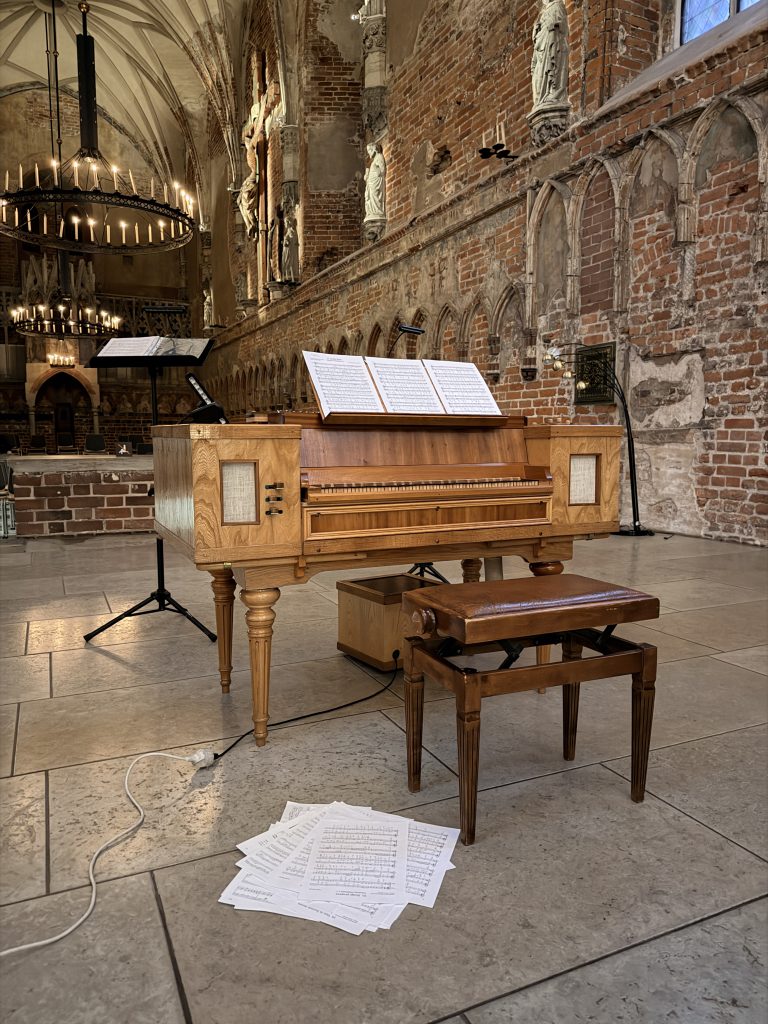
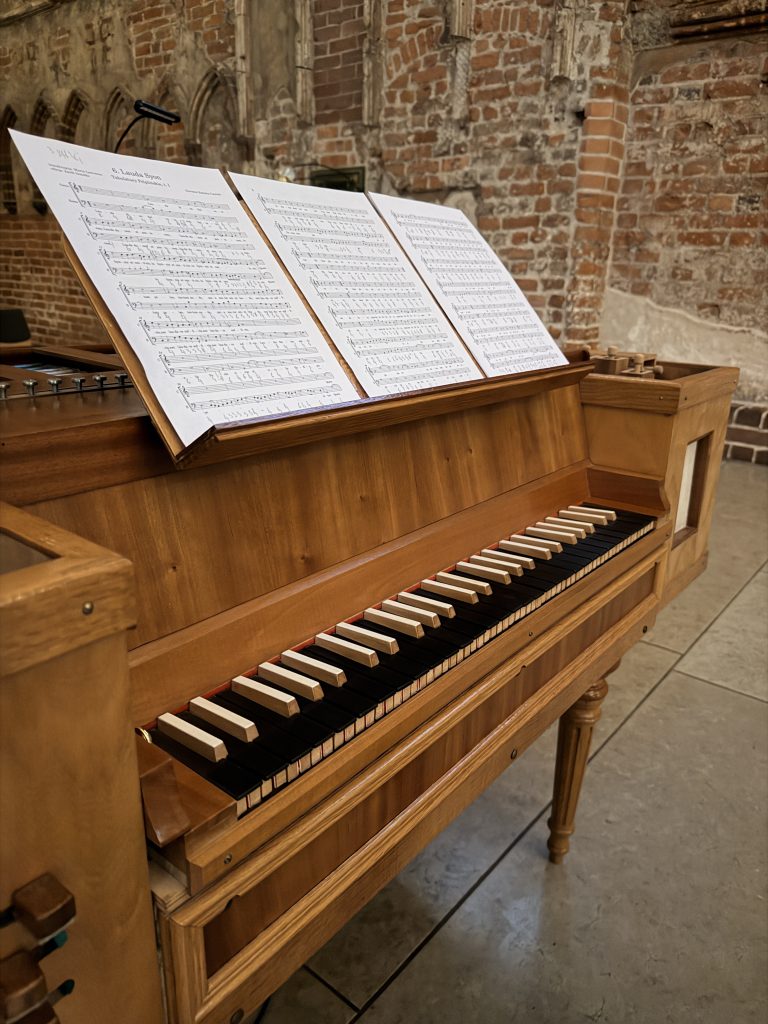
The instrument used during the concert is also interesting. It is a positive organ crafted by the Polish organ builder Mariusz Syller.

Tickets

Buy tickets online

Opening Hours

  • Mon:9:00 - 16:00
Exhibitions
  • Tue - Sun:9:00 - 15:00

Contact

Tourist Information

  • +48 55 647 08 00
  • +48 55 647 09 02
  • +48 55 647 09 78